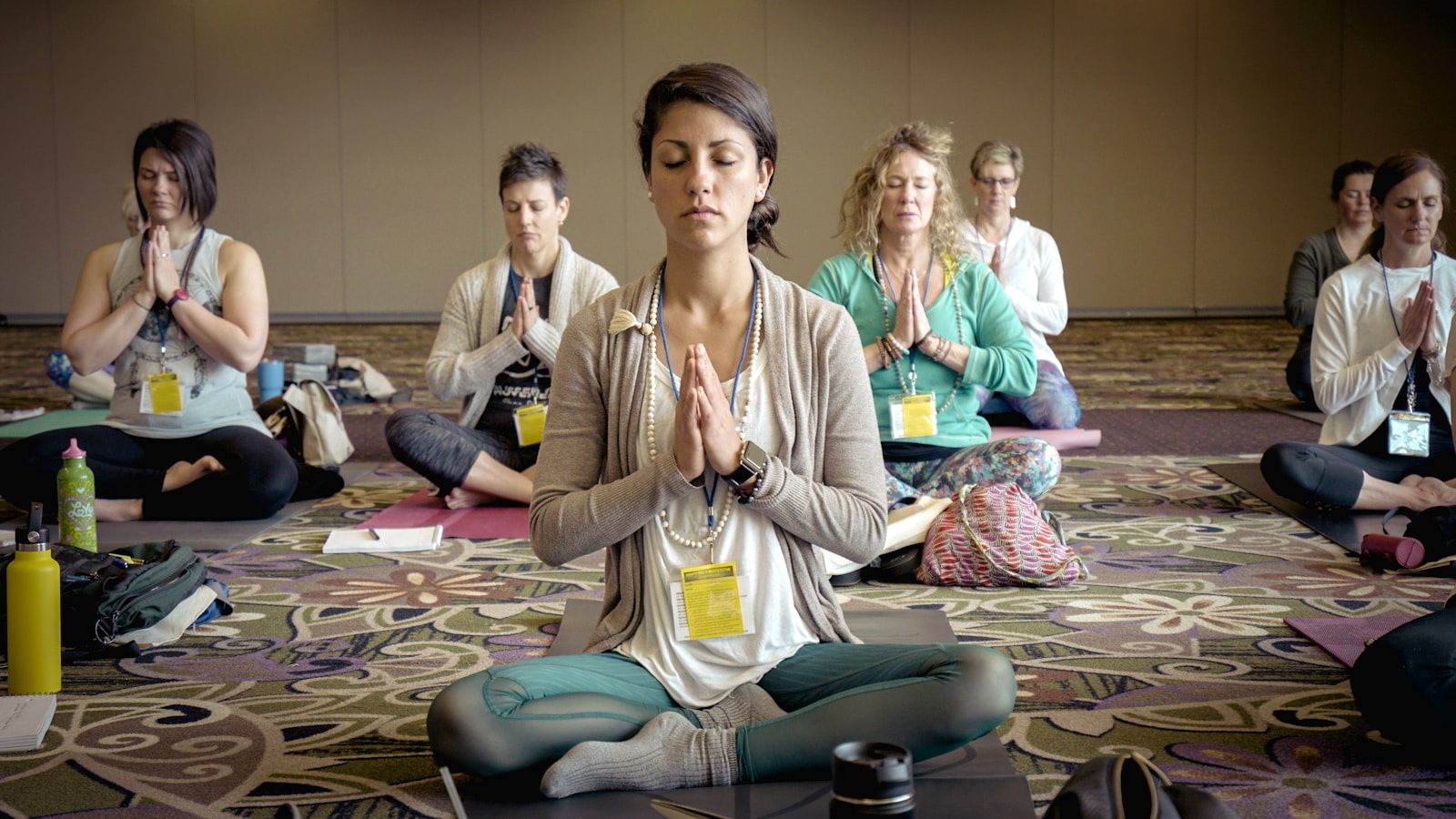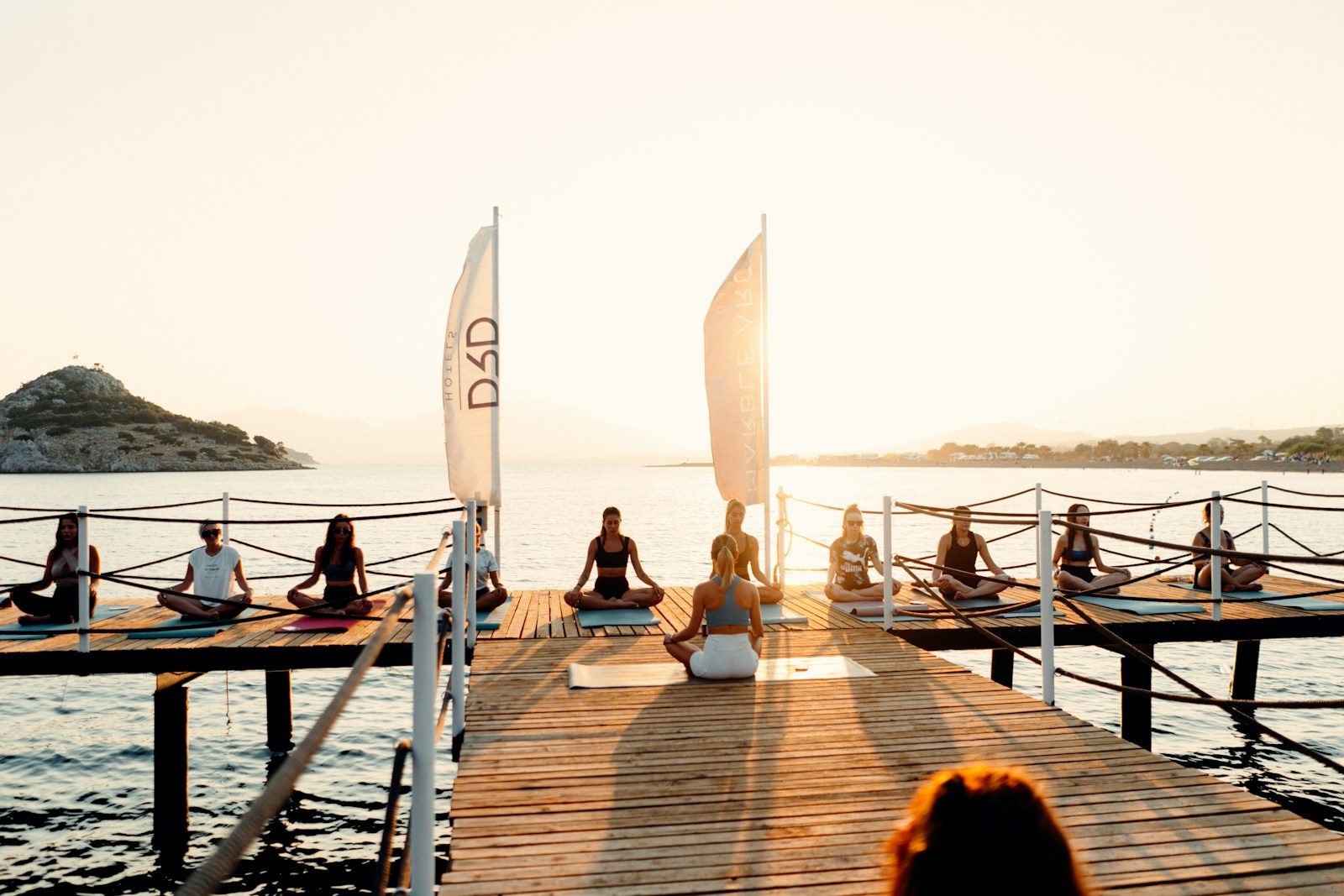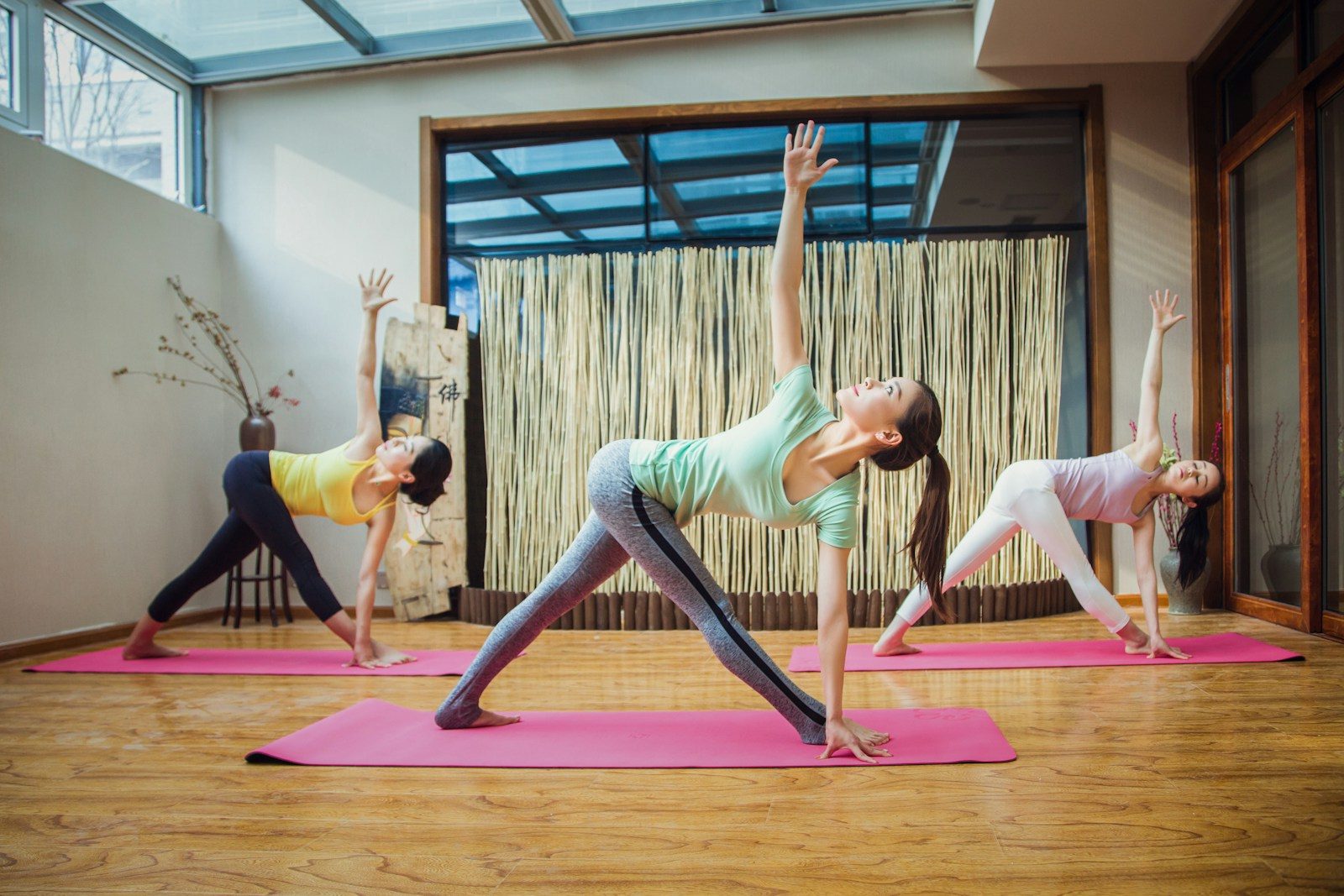
Top 10 Yoga Teacher Training Destinations for Aspiring Instructors
🌟 Deepen Your Practice: The Ultimate Guide to Choosing a Yoga Teacher‑Training Program 🌟
Welcome, fellow yogi! Whether you’re standing on your mat for the first time, have been flowing through vinyasa sequences for years, or already teach occasional workshops, the desire to deepen your practice and share the gifts of yoga with others is a natural evolution. The world of Yoga Teacher Training (YTT) has exploded over the past decade, and today there are over 493 organizers offering 200‑, 300‑, and 500‑hour courses in every corner of the globe—from the tranquil rice paddies of Bali to the bustling streets of New York, and even from the comfort of your own living room.
“The more you learn, the more you realize how much there is to explore.” – Maya Rao, 300‑Hour YTT graduate
If you’ve ever stood on your mat, breathed through a challenging pose, and felt a spark of curiosity—“What if I could share this with others?”—you’re not alone. Every year thousands of yoga lovers take the next step: a Yoga Teacher Training (YTT) that turns personal practice into a profession, a community, and a lifelong learning adventure.
In this long‑form guide we’ll explore:
- Why invest in a Yoga Teacher Training?
- The three main certification pathways (200‑, 300‑, 500‑hour) – what they mean and who they’re for.
- Key styles and locations you can choose from, with a handy comparison table.
- Accreditation matters – how to spot a legitimate program.
- Practical considerations (cost, time, visa, online vs. in‑person).
- Heart‑centered tips for making the most of your training.
- Real‑world voices – quotes from seasoned teachers who’ve walked the path.
Grab a cup of herbal tea, settle into a comfortable seat, and let’s dive deep together.
1️⃣ WHY INVEST IN A YOGA TEACHER TRAINING?
| Benefit | What It Looks Like | Why It Matters |
|---|---|---|
| Expanded Knowledge | Anatomy, philosophy, sequencing, teaching methodology. | Gives you a solid, science‑backed foundation that protects you and your students. |
| Personal Growth | Daily meditation, self‑inquiry, mindfulness practices. | Yoga is as much an inner journey as an outward practice. |
| Professional Credibility | Accredited certificate (Yoga Alliance, EWCA, etc.). | Opens doors to studios, retreats, workshops, and higher pay. |
| Community & Networking | Lifelong bonds with classmates, mentors, and alumni networks. | A supportive tribe fuels your practice and career. |
| Teaching Opportunities | Ability to lead classes, create workshops, or start your own studio. | Turns passion into sustainable livelihood. |
| International Exposure | Training abroad in Bali, India, Thailand, Europe, the Americas. | Immerses you in the cultural roots of yoga and broadens perspective. |
“The real magic of a teacher training isn’t the hours logged—it’s the subtle shift inside you that lets you breathe through the unknown.” – Maya Patel, 300‑hour Vinyasa teacher, founder of Lotus Flow Studio.
2️⃣ THE THREE MAIN PATHWAYS: 200‑, 300‑, & 500‑HOUR
🔹 200‑Hour YTT – The Classic Foundation
- Who it’s for: Beginners, seasoned practitioners wanting a formal credential, or anyone curious about teaching fundamentals.
- Core Curriculum:
- Yoga Philosophy & History (The Yoga Sutras, Bhagavad Gita, Upanishads)
- Anatomy & Physiology (major muscle groups, joint mechanics)
- Asana Practice (alignment, adjustments, sequencing)
- Teaching Methodology (classroom management, cueing, ethics)
- Meditation & Pranayama (breathing techniques, mindfulness)
- Typical Duration: 4‑6 weeks intensive or 3‑6 months part‑time.
- Outcome: Eligibility for the Yoga Alliance Registered Teacher (RYT‑200) credential.
🔹 300‑Hour YTT – The Deep‑Dive Expansion
- Who it’s for: Those who completed a 200‑hour program and want to specialize or broaden expertise.
- Core Add‑Ons:
- Advanced Anatomy & Therapeutic Applications
- Special Populations (prenatal, seniors, injuries)
- Business of Yoga (marketing, studio management, legalities)
- Specialized Styles (e.g., Arm Balance, Restorative, Children’s Yoga)
- Typical Duration: 2‑4 weeks intensive or 4‑8 months part‑time.
- Outcome: RYT‑500 eligibility when combined with a 200‑hour, plus deeper personal practice.
🔹 500‑Hour YTT – The Mastery Level
- Who it’s for: Aspiring studio owners, senior teachers, or anyone craving a comprehensive immersion.
- Core Curriculum: All 200‑ and 300‑hour content plus:
- Teaching Philosophy & Leadership
- Advanced Therapeutics & Anatomy
- Research Methods & Continuing Education
- Internship or Practicum (real‑world teaching hours)
- Typical Duration: 4‑8 weeks intensive (often abroad) or 8‑12 months part‑time.
- Outcome: Full RYT‑500 certification—recognised worldwide as the gold standard.
“When I completed my 500‑hour training in Kerala, I didn’t just learn how to teach a pose—I learned how to teach life.” – Liam O’Connor, Iyengar specialist, author of “Posture & Presence.”
“Adding the extra 300 hours gave me the confidence to design my own workshops and finally launch my online studio.” – Rohan Patel, 500‑Hour certified, New York
Most aspiring teachers start with the 200‑hour certification, which is the minimum requirement for registration with Yoga Alliance—the most widely recognized global standard. The 300‑hour is a natural next step, and the 500‑hour is the gold‑standard for those who want to become senior teachers, trainers, or curriculum designers.
3️⃣ STYLE & DESTINATION MENU: WHERE WILL YOU TRAIN?
Below is a comparative table featuring popular yoga styles, flagship training locations, typical costs, and a highlight of what makes each experience unique. All programs listed are accredited (Yoga Alliance, EWCA, International Association of Yoga Therapists, etc.) and sourced from the largest global marketplace for YTT programs (≈ 493 organizers worldwide).
| Style | Top Training Locations | Typical Course Length | Average Cost (USD) | Signature Feature |
|---|---|---|---|---|
| Vinyasa / Flow | Bali (Ubud), Thailand (Chiang Mai), California (San Diego) | 200‑hr (3‑4 wk intensive) | $2,200‑$3,500 | Dynamic sequencing, breath‑flow integration. |
| Hatha | India (Rishikesh, Mysore), Portugal (Algarve), New York (Manhattan) | 200‑hr (4‑6 wk) | $1,800‑$3,000 | Deep alignment focus, slower paced. |
| Ashtanga | India (Karnataka), Costa Rica (Tamarindo), London | 200‑hr (5‑7 wk) | $2,000‑$3,800 | Traditional set series, rigorous practice. |
| Yin | Thailand (Koh Samui), Spain (Barcelona), Arizona (Sedona) | 200‑hr (2‑3 wk) | $1,600‑$2,800 | Long‑hold meditative postures, connective tissue work. |
| Restorative | Bali (Ubud), Canada (Vancouver), Ireland (Cork) | 200‑hr (2‑4 wk) | $1,500‑$2,700 | Props‑heavy, therapeutic focus. |
| Prenatal / Post‑natal | India (Goa), USA (Portland), Australia (Byron Bay) | 200‑hr (3‑4 wk) | $2,300‑$3,400 | Safely supporting pregnancy and postpartum bodies. |
| Kids & Family | UK (Cornwall), USA (Austin), South Africa (Cape Town) | 200‑hr (2‑3 wk) | $1,700‑$2,900 | Play‑based sequencing, child development insights. |
| Yoga Therapy | Germany (Berlin), USA (San Jose), Mexico (Tulum) | 300‑hr (4‑6 wk) | $3,200‑$4,800 | Clinical anatomy, therapeutic protocols. |
| Ayurvedic Yoga | India (Kerala), Sri Lanka (Kandy), Nepal (Pokhara) | 300‑hr (5‑7 wk) | $2,800‑$4,200 | Integration of diet, dosha, lifestyle. |
| Online (Hybrid) | Global (any location) | 200‑hr (8‑12 wk) + live mentorship | $1,200‑$2,500 | Flexible schedule, live Zoom classes + recorded modules. |
How to Pick the Right Style & Spot
- Identify Your “Why.”
- Love creative flow? → Vinyasa.
- Crave stillness and connective tissue health? → Yin/Restorative.
- Want to work therapeutically? → Yoga Therapy or Prenatal.
- Consider Your Body’s Current Needs.
- If you have persistent aches, a Yin or Therapeutic program may deepen your personal practice while training you to help others.
- Think About Lifestyle & Logistics.
- Full‑time job? → Part‑time or online hybrid.
- Desire travel & cultural immersion? → Bali, Rishikesh, or Costa Rica.
- Budget & Visa – Factor in tuition, accommodation, meals, and any travel visas. Many programs bundle housing; others partner with local guesthouses for discounted rates.
4️⃣ ACCREDITATION: THE TRUST SIGNAL
A legitimate YTT will typically carry one or more of these recognitions:
| Accrediting Body | What It Guarantees | Why It’s Useful |
|---|---|---|
| Yoga Alliance (YA) | Curriculum meets 200‑hour or 500‑hour standards. | Most studios worldwide recognize RYT status for hiring. |
| European Wellness College Association (EWCA) | European quality standards; often linked with EU‑recognised vocational training. | Helpful if you plan to teach in Europe and need formal qualifications. |
| International Association of Yoga Therapists (IAYT) | Specialized therapeutic curriculum. | Needed for insurance or clinical settings. |
| National Yoga Federation (NYF) – India | Government‑backed validation in India. | Ideal for deep Indian immersion programs. |
Red flags: “No accreditation,” “Unclear hours,” “All‑online with no live component,” or “Promises to make you a “certified master” after a weekend.” Good programs are transparent about hours, teacher‑to‑student ratios, and post‑training support.
“When I first saw a program without a Yoga Alliance ID, I did a quick Google check—nothing. A red flag that day saved me from a $1,800 scam.” – Sofia Romero, 200‑hour Hatha graduate, freelance teacher.
5️⃣ PRACTICAL CONSIDERATIONS
5.1 Cost Breakdown (Typical 200‑hr)
| Expense | Low‑End (Budget) Estimate | Mid‑Range | High‑End (Luxury) |
|---|---|---|---|
| Tuition | $1,200 | $2,200 | $3,500 |
| Accommodation (shared) | $300‑$600 (per week) | $800‑$1,200 | $1,500+ |
| Meals (included?) | $0‑$200 (self‑cater) | $150‑$300 | $300+ |
| Travel (flight) | $400‑$800 (regional) | $800‑$1,500 | $1,500+ |
| Visa/Insurance | $50‑$150 | $150‑$300 | $300+ |
| Total (4‑week program) | ≈ $2,200 | ≈ $4,300 | ≈ $7,000+ |
Tips to Save:
- Book flights 2‑3 months early.
- Choose training that includes meals/room.
- Look for scholarships—many schools allocate 5‑10 % of spots for financial aid.
5.2 Time Commitment
| Program Type | Hours In‑Class | Self‑Study / Practice | Typical Weekly Schedule |
|---|---|---|---|
| Intensive (4‑5 wk) | 35‑45 hrs/week | 2‑3 hrs daily | Morning Asana, midday theory, evening meditation. |
| Part‑time (3‑6 mo) | 10‑15 hrs/week | 1‑2 hrs daily | Evening classes after work, weekend workshops. |
| Online Hybrid | 8‑12 hrs/week live + 4‑6 hrs recorded | Flexible | Live Zoom + weekly assignments; fit around schedule. |
5.3 Visa & Travel Logistics
- India: e‑Tourist visa (30‑90 days) works for most 200‑hr programs in Rishikesh or Goa.
- Thailand: Tourist visa (60 days) + optional extension; many schools provide “train‑and‑stay” letters.
- Bali (Indonesia): Visa‑on‑Arrival (30 days) or Social‑Cultural visa (60‑90 days).
- Europe: Schengen visa (90‑day limit) for EU‑based programs; check each country’s specific entry rules.
Pro tip: Ask the training provider for a Letter of Invitation—this speeds up visa processing and often waives additional fees.
6️⃣ HEART‑CENTERED TIPS FOR MAKING THE MOST OF YOUR YTT
- Treat Every Day as a Teacher‑Student Exchange
- Teach: Lead a short sequence for a classmate.
- Learn: Receive feedback, observe their approach.
- This reciprocal model builds confidence faster than waiting for a final exam.
- Cultivate a Personal Practice Journal
- Write daily about breath, emotions, and insights.
- Review weekly to notice patterns—this is the true “homework” that cements learning.
- Embrace the “Messy” Moments
- You’ll stumble during adjustments, mis‑cue, or feel overwhelmed.
- Use those moments as teaching material—students love authenticity.
- Network with Intent
- Exchange contact info, join the program’s private Facebook/WhatsApp group.
– Offer to help organize community events (potluck, beach cleanup) to become a valued member.
- Exchange contact info, join the program’s private Facebook/WhatsApp group.
- Stay Curious About the Philosophy
- Don’t rush through the Yoga Sutras or Bhagavad Gita.
- Try reading a translation a chapter a week; discuss it in study circles.
- Explore the Local Culture
- If you’re in Bali, try a traditional offering ceremony.
- In India, attend a local ayurvedic consultation.
- These experiences enrich your teaching narrative and create memorable class stories.
- Plan Post‑Training Income Early
- Draft a simple business plan: workshops, private sessions, online classes, affiliate products.
- Attend the program’s “Business of Yoga” workshops—most reputable schools include them.
7️⃣ VOICES FROM THE MAT: REAL QUOTES FROM YOGA TEACHERS
“The moment I stepped onto my first Bali training, the ocean’s rhythm synced with my breath. The experience taught me that a teacher’s environment is part of the lesson.” – Arjun Mehta, 500‑hour Ashtanga teacher, founder of Oceanic Yoga Retreats.
“Online training sounded risky, but my teacher used live‑feedback Zoom and an interactive portal. I could re‑watch lectures, and the mentorship calls felt like a virtual apprenticeship.” – Renee Alvarez, 200‑hour Vinyasa teacher, corporate wellness coordinator.
“I thought a 300‑hour was ‘just more of the same.’ The deep dive into anatomy and therapeutic sequencing changed the way I work with injured clients. It’s a game‑changer for a sustainable career.” – Jacob Liu, Yoga Therapist, Certified IAYT practitioner.
“Traveling to Portugal for a Hatha immersion opened my eyes to the European yoga ecosystem—studio collaborations, festivals, and a thriving community of teachers who value both tradition and innovation.” – Elena Rossi, 200‑hour Hatha teacher, co‑organizer of Lisbon Yoga Fest.
“I was terrified of teaching a class after only a few months of practicing. The 200‑hour training gave me a solid framework—how to cue safely, how to sequence thoughtfully, and most importantly, how to create a safe container for students.” – Alex Gomez, Bali Vinyasa Immersion
“The 300‑hour program in Barcelona taught me anatomy in a way that actually sticks. I can now feel the difference inside my own body when I cue a pose versus when I just copy a video.” – María Santiago, Hatha & Anatomy Deep‑Dive
“Online felt risky at first, but the mentorship calls were a game‑changer. I could ask questions in real‑time while still living in my hometown.” – David Nguyen, Restorative & Trauma‑Informed
“Going for the 500‑hour was a leap of faith, but the business coaching saved me from a costly mistake when I opened my first studio.” – Priya Kumar, San Diego Master Teacher
These snippets remind us that every journey is unique, yet the underlying thread is the same: a supportive environment, knowledgeable teachers, and a clear roadmap transform uncertainty into confidence.
8️⃣ QUICK‑START CHECKLIST: ARE YOU READY?
- Define your goal – (Teach professionally? Deepen personal practice? Specialize in yoga therapy?)
- Choose a style – (Vinyasa, Hatha, Yin, etc.)
- Select a format – (Intensive, part‑time, online)
- Verify accreditation – (Yoga Alliance, EWCA, etc.)
- Set a budget & timeline – (Include travel, visa, living expenses)
- Apply for scholarships – (Check each school’s aid page)
- Book travel & accommodation – (Ask if the school offers package deals)
- Prepare physically – (Start a consistent 30‑min daily practice)
- Gear up – (Mat, props, journal, reusable water bottle)
- Cultivate a supportive mindset – (Meditation, affirmations, open heart)
If you tick all the boxes, congratulations—you’re on the path toward a transformative yoga teacher training experience!
9️⃣Tips for Making the Most of Your Training (Whether Online or On‑Site)
| Tip | Why It Matters |
|---|---|
| Arrive Early (or log in early) | Gives you time to settle, meet fellow students, and ask logistical questions. |
| Keep a Daily Journal | Tracks your physical sensations, emotional shifts, and teaching insights—gold for later reflection. |
| Practice Teaching From Day One | Conduct mini‑sessions for peers; feedback accelerates growth. |
| Engage Outside the Classroom | Join local cultural excursions, meditation circles, or community service—helps integrate the yogic lifestyle. |
| Network Actively | Exchange contact info with classmates; they become your future collaborators, job leads, or support crew. |
| Take Care of Your Body | Hydrate, eat nutrient‑dense meals, and honor rest days to avoid burnout. |
| Leverage Mentorship | Most programs assign a mentor teacher—use that resource for candid feedback and career advice. |
| Document Your Certification | Download and store your digital certificate, letters of recommendation, and any additional credentials. |
| Plan Post‑Training Steps | Draft a simple action plan: where will you teach first? Do you need a website? A business license? |
| Stay Connected to the Community | Join alumni groups (often on Facebook or WhatsApp) for ongoing support and continuing education opportunities. |
“The habit of journaling saved my sanity during the intense 4‑week Bali immersion. I could see my progress line by line.” – Natalie Huang, 200‑Hour Vinyasa
🔟Frequently Asked Questions (FAQs)
| Question | Answer |
|---|---|
| Do I need prior yoga experience to enroll in a 200‑hour YTT? | Most schools require at least 1‑year regular practice (3–5 sessions per week). Some intensive programs may accept beginners if you demonstrate dedication, but a solid foundation helps you keep up with anatomy and sequencing. |
| What is Yoga Alliance, and should I care about it? | Yoga Alliance is the world’s largest registry for yoga teachers. A RYT‑200 (Registered Yoga Teacher) is the standard credential required by many studios and employers. While not legally required, it provides a universally recognized benchmark of quality. |
| Can I do a 300‑hour program without a 200‑hour certificate? | Technically, yes—some schools allow you to combine the two (200 + 100 hours) within one curriculum. However, most teachers complete the 200‑hour first to build a solid base. |
| Is an online YTT as good as an in‑person one? | Quality depends on the school, not the format. Look for programs that offer live interactive sessions, mentorship, and a community component (e.g., virtual group practices). Many online trainings now include optional in‑person residencies. |
| What if I can’t travel abroad due to a visa or health issue? | Many schools have hybrid options: a few weeks online, followed by a shorter immersion locally. Also, fully online programs have become more sophisticated, offering robust curricula and peer interaction. |
| How long after graduation can I start teaching? | As soon as you receive your completion certificate and registration with Yoga Alliance (if applicable). Some studios require a short practicum period (observing or assisting classes) before solo teaching. |
| Do I need to keep renewing my Yoga Alliance registration? | Yes—Yoga Alliance requires a renewal every three years and a minimum of 20 continuing education hours (CEUs) to maintain active status. |
1️⃣1️⃣FINAL THOUGHTS: YOUR NEXT STEP
Choosing a Yoga Teacher Training is more than selecting a course; it’s about aligning with a community, a lineage, and a purpose that will echo through every aspect of your life. The marketplace boasts 493 organizers, offering a dazzling variety of locations, styles, and formats. By using the criteria and tables above, you can confidently compare options, ensure accreditation, and plan logistics—all while staying true to your heart’s intention.
There’s a beautiful paradox at the heart of yoga: the more you study, the deeper your embodiment becomes; the more you teach, the more you learn. A Yoga Teacher Training isn’t just a credential—it’s a portal to a richer, more purposeful life.
Whether you picture yourself guiding sunrise classes on a Balinese rice field, holding therapeutic Yin sessions for seniors in a quiet studio in Spain, or launching an online platform that reaches students across continents, the right training will give you the tools, confidence, and community to make it happen.
Take a breath. Scan the options. Trust your intuition. And when you’ve found the program that sings to your soul, book it—your future self will thank you.
Remember:
“Yoga is the still point in the turning world. Your training is the map that helps you find that stillness, both on and off the mat.” – Anonymous, ancient yogic proverb.
So, take a deep breath, review the table, listen to the voices of those who have traveled the path, and enroll in the program that calls to you. The world of yoga is waiting for your unique light.
Namaste, dear seeker. May your journey be filled with grace, curiosity, and infinite unfolding. 🌺🧘♀️🧘♂️
🌅Yoga Teacher Training in Europe – A Journey of Breath, Culture, and Adventure
“Travel is the only thing you can buy that makes you richer.” – Anonymous
If you’ve ever dreamed of deepening your practice while strolling through medieval streets, sipping espresso beside a turquoise sea, or inhaling fresh Alpine air, Europe may be the perfect canvas for your next Yoga Teacher Training (YTT). From sunny Iberian coastlines to mist‑kissed Scottish highlands, the continent blends ancient yogic wisdom with a tapestry of cultures, histories, and landscapes that turn any classroom into a living, breathing meditation hall.
In this guide we’ll explore why Europe is a favoured destination for aspiring teachers, break down the most-loved training hubs, and give you a handy—fully‑fledged table—that maps out the variety of programs you can expect. Whether you’re a seasoned practitioner craving certification, a wander‑lusted beginner, or someone who wants to combine study with a mini‑European tour, keep reading. By the end you’ll have a vivid picture of the possibilities, a few inspiring quotes to fuel your intention, and a clear roadmap to book the training that sings to your soul.
1. Why Europe?
A. A Playground of Contrasting Terrains
Europe packs a world’s worth of geography into a relatively compact area. In a single trip you could:
| Landscape | Typical Training Spot | What You’ll Experience |
|---|---|---|
| Sunny Beaches | Costa del Sol, Spain / Algarve, Portugal | Morning Sun Salutations on sand, sunset meditation by the Atlantic |
| Rolling Vineyards | Tuscany, Italy / Burgundy, France | Yoga amidst rows of grapevines, wine‑and‑yoga evenings |
| Snow‑Capped Mountains | The Alps (France, Switzerland, Austria) | Breathwork at altitude, Hatha sessions with panoramic peaks |
| Mystical Forests & Lakes | The Scottish Highlands / Lake Bled, Slovenia | Stillness practices beside misty lochs, forest grounding meditations |
| Urban Zen | Berlin, London, Barcelona | Contemporary studios housed in converted factories, night‑time rooftop flows with city lights |
Each terrain invites a different flavour of practice: the ocean’s rhythm teaches fluidity, the mountains teach steadiness, and the city’s pulse reminds you to find stillness amidst noise. Training in Europe therefore means you can tailor the external environment to match (or challenge) your internal journey.
B. A Living History Museum
From the Roman arches of Rome to the Moorish palaces of Granada, European cities wear their past like a second skin. Many YTT centres deliberately place their classrooms near heritage sites—think a studio tucked behind a 12th‑century cathedral or a meditation garden within a Renaissance villa. This convergence of ancient stone and modern breath deepens the symbolic resonance of “awakening the inner yogi.”
“Studying yoga in a centuries‑old cloister felt like learning an ancient language in its original dialect. The walls seemed to echo the chants.” – Lina, 2023 Yoga Teacher Training, Portugal
C. Multilingual, Multicultural, Multivitamin!
Training in a European country normally means exposure to at least two languages (your native tongue + the local one) and a third in the form of culinary diversity. Your schedule might include:
- Cultural workshops – Flamenco lessons in Seville, cheese‑making in the French Alps, tea ceremonies in the UK.
- Language immersion – Daily greetings in Spanish, Italian, French, or German, enhancing mindfulness beyond the mat.
- Culinary mindfulness – Farm‑to‑table lunches that teach mindful eating and the Ayurvedic principle of “sattvic” nourishment.
These experiences broaden your teaching toolkit, allowing you to bring a truly global, inclusive perspective to future students.
D. Easy Travel Logistics
Europe’s train network, budget airlines, and Schengen visa arrangement make moving between countries surprisingly seamless. Many programs schedule weekend excursions to nearby capitals, enabling you to combine certification with a mini‑Euro‑tour—a priceless bonus for any wander‑lover.
2. The Top European Yoga Teacher Training Destinations
Below you’ll find a snapshot of the most popular countries for YTT, each broken down into its signature vibe, the predominant yoga styles taught, and a few “must‑do” experiences outside the mat.
2.1 Spain – Sun, Sea, and Soul
Why it shines: Spain’s Mediterranean coast offers endless sunny days, while inland regions boast historic towns like Granada and the vibrant streets of Barcelona.
Typical styles: Vinyasa Flow, Ashtanga, Kundalini, Yoga Therapy.
Off‑mat highlights:
- Tapas & Tantra Night in Barcelona’s El Born district.
- Day‑trip to Alhambra – meditating in the Generalife gardens.
- Surf‑and‑Yoga on the Basque coast.
“I never imagined I’d practice sunrise yoga on a balcony overlooking the Mediterranean. The sea became my mantra.” – Marco, 2022 Certified YTT, Costa Brava
2.2 Portugal – Oceanic Calm & Rustic Charm
Why it shines: Portugal’s Algarve coastline is a haven for wave‑loving yogis, while Lisbon offers an urban, bohemian feel.
Typical styles: Hatha, Yin, Restorative, Eco‑Yoga.
Off‑mat highlights:
- Fado music evening in Alfama, Lisbon – listening to raw emotions through Portuguese song.
- Cork Forest walk – a grounding nature meditation.
- Port wine tasting with a mindful sipping practice in the Douro Valley.
“The gentle rhythm of the Atlantic made my breath settle instantly. It felt like the ocean was coaching my pranayama.” – Emma, 2021 YTT, Lisbon
2.3 United Kingdom – Classic Academia Meets Modern Wellness
Why it shines: From the bustling streets of London to the tranquil highlands of Scotland, the UK blends scholarly tradition with cutting‑edge wellness trends.
Typical styles: Iyengar, Pilates‑Yoga fusion, Somatic Yoga, Trauma‑Informed Yoga.
Off‑mat highlights:
- Visit to Stonehenge – sunrise meditation at the ancient stone circle.
- Literary café sessions – discussing yoga philosophy over tea at a Victorian tea house.
- Highland hikes – whisper‑quiet breath practice on rugged moorland.
“Training in a centuries‑old university hall gave the whole experience an intellectual depth I hadn’t felt before.” – Rohit,YTT, Edinburgh
2.4 Italy – Art, Food, and the Heartbeat of Yoga
Why it shines: Italy’s artistic heritage—Renaissance art, Roman ruins, amphitheaters—creates an inspiring backdrop. The Italian “dolce vita” mentality encourages a relaxed yet passionate approach to practice.
Typical styles: Vini‑Yoga (wine‑paired sessions), Anusara, Jivamukti, Classical Hatha.
Off‑mat highlights:
- Meditation in the Vatican Gardens (still open to non‑Catholics with special permission).
- Cooking class on whole‑foods Tuscan cuisine—mindful eating in practice.
- Sailing the Amalfi Coast—sunset yoga on a catamaran.
“The rhythm of the Italian market, with its colours and smells, taught me to stay present in every sensory moment.” – Giulia, YTT, Florence
2.5 Germany – Precision, Forests, and Progressive Yoga
Why it shines: Germany’s blend of disciplined engineering culture and profound respect for nature makes it a fertile ground for science‑based yoga education.
Typical styles: Yoga Therapy, Prenatal Yoga, Mindful Running, Breathwork (Pranayama) Science.
Off‑mat highlights:
- Black Forest mindfulness walk—guided forest bathing (Shinrin‑Yoku).
- Bicycle tour of the Rhine—yoga flow at each historic castle.
- Visit to the Bauhaus Museum—exploring the link between design and body alignment.
“The scientific approach to anatomy in German teacher trainings gave me confidence in my own practice and teaching.” – Lukas, Certified YTT, Berlin
2.6 France – Elegance, Gastronomy, and Spiritual Retreats
Why it shines: From the lavender fields of Provence to the chic boulevards of Paris, France thrives on aesthetics that translate naturally into yoga practice.
Typical styles: Ballet‑Yoga fusion, Aerial Yoga, Kundalini, Mindful Movement.
Off‑mat highlights:
- Morning sunrise tulip meditation in the fields of the Loire Valley.
- Parisian art gallery “Yoga & Impressionism” tour—drawing connections between brushstrokes and breath.
- Wine & Breath Dinner in Bordeaux—exploring the relationship between aroma, taste, and pranayama.
“Practicing in a centuries‑old Parisian atelier felt like painting with my breath.” – Sophie, YTT, Bordeaux
3. What to Expect From a European Yoga Teacher Training
3 hours of theory, 5 hours of practice—plus a splash of culture
| Component | Typical Hours (40‑hour YTT) | How Europe Enhances It |
|---|---|---|
| Yoga Asanas | 20‑25 hrs | Outdoor sessions on cliffs, rooftop flows over city skylines |
| Anatomy & Physiology | 5‑6 hrs | Workshops with local physiotherapists, anatomy labs in university settings |
| Philosophy & Ethics | 3‑4 hrs | Visits to historic monasteries, guided tours of ancient libraries |
| Practicum (Teaching Practice) | 6‑8 hrs | Teaching in diverse settings: beachside, forest clearings, community centers |
| Meditation & Pranayama | 3‑4 hrs | Sunrise chants by the sea, breathwork in Alpine huts |
| Cultural Immersion | 3‑5 hrs | Language basics, cooking classes, folk dance workshops |
Certification formats:
- 200‑hour (RYS) – most common, internationally recognized.
- 300‑hour (advanced) – deepens specialty (e.g., prenatal, therapeutic).
- Hybrid / Online + In‑Person – many European schools offer a pre‑online theory module, reducing travel time and cost.
Typical Daily Schedule (example from a 10‑day intensive in the Spanish Riviera)
| Time | Activity |
|---|---|
| 7:00 am | Sunrise Vinyasa on the beach (30 min) |
| 8:00 am | Breakfast – Mediterranean fresh fruit and “sattvic” smoothies |
| 9:00 am | Anatomy lecture – with a local physiotherapist in a historic infirmary |
| 11:00 am | Asana workshop – alignment focus in a converted olive‑press studio |
| 1:00 pm | Lunch – tapas with mindful eating practice |
| 2:30 pm | Philosophy circle – discussion of Patanjali in a 15th‑century cloister |
| 4:00 pm | Teaching practicum – students lead a 45‑minute class for locals |
| 6:00 pm | Guided meditation & pranayama by the sea cliffs |
| 7:30 pm | Dinner – communal cooking class featuring regional dishes |
| 9:00 pm | Evening reflection / journaling (optional) |
What’s Included (and what to double‑check)
| Inclusion | Typical Offer | Tips for Confirmation |
|---|---|---|
| Accommodation | Shared eco‑lodges, boutique hotels, monastery guest rooms | Verify Wi‑Fi reliability, meal plan (vegetarian/vegan options) |
| Meals | Farm‑to‑table, locally sourced, often vegetarian | Ask about dietary restrictions early |
| Transportation | Airport pick‑up, weekend excursions (train, bus) | Ensure transport dates align with your arrival/departure |
| Materials | Textbooks, yoga mats, props, certification paperwork | Bring a reusable water bottle & a journal |
| Insurance | Some schools bundle travel/health insurance | If not, purchase a separate policy covering yoga activities |
4. How to Choose the Right European YTT for You
- Define Your Intention – Are you after a beach‑side vibe, a scholarly deep‑dive, or a mountain‑top retreat?
- Check Accreditation – Look for Yoga Alliance (RYS‑200/300) or local governing bodies (e.g., British Wheel of Yoga).
- Read Reviews & Ask Alumni – Social proof matters; connect on Facebook groups or Instagram DMs.
- Budget vs. Experience – Prices range from €1,500 (Portugal student housing) to €4,500 (luxury Alpine resort). Remember that extras (flights, visas, extra excursions) add up.
- Consider Seasonality – Summer is bustling (great for beach sessions but pricier); spring/fall offers milder weather and lower costs.
“I chose the Greek island program because I wanted a calm sea view for my breathwork. The off‑season price made it affordable and the island was almost empty – perfect for focused learning.” – Anna, Certified YTT, Crete
5. Practical Tips for a Smooth European YTT Experience
| Tip | Why It Helps |
|---|---|
| Get a Schengen Visa Early | Some trainings last > 30 days; apply at least 4‑6 weeks in advance. |
| Learn a Few Local Phrases | “Bonjour”, “Gracias”, “Grazie” open doors to deeper cultural connection. |
| Pack Light, Pack Smart | One yoga mat (many studios provide extras), a travel‑size yoga towel, waterproof sandals. |
| Stay Hydrated & Sun‑Safe – Especially on coastal trainings. | |
| Keep a “Yoga Journal” – Document breath shifts, cultural insights, and any aha‑moments. | |
| Network – Attend teacher meet‑ups, community classes, and local wellness events; future collaborations often blossom. |
6. Sample 12‑Week European Yoga Teacher Training Roadmap
| Week | Country & City | Focus | Notable Experience |
|---|---|---|---|
| 1‑2 | Lisbon, Portugal | Foundations (Yamas, Niyamas, basic Asanas) | Sunset surf‑yoga at Carcavelos Beach |
| 3‑4 | Barcelona, Spain | Vinyasa Flow & Alignment | Guided tour of Sagrada Família, meditation in the cathedral’s garden |
| 5‑6 | Zurich, Switzerland | Anatomy, Therapeutic Yoga | Alpine hut retreat – breathwork at 2,000 m |
| 7‑8 | Milan, Italy | Yoga Philosophy & Ethics | Art‑museum yoga session at Pinacoteca di Brera |
| 9‑10 | Berlin, Germany | Teaching Methodology & Practicum | Community class for refugees in Kreuzberg |
| 11‑12 | Paris, France | Business of Yoga & Final Exams | Night yoga under the Eiffel Tower, graduation ceremony in a historic chateau |
This schedule is a sample; many schools offer modular or “mini‑tour” formats that let you pick and choose the locations you love most.
7. Final Thoughts – Your Invitation to the European Mat
Europe isn’t just a destination; it’s a state of mind where ancient stone meets modern breath, where the scent of espresso can be as grounding as a deep hip‑opener, and where each sunrise can be a live meditation. By immersing yourself in its diverse landscapes, rich cultures, and forward‑thinking yoga schools, you’ll graduate not only with a certification but with a holistic toolbox that blends anatomy, philosophy, and worldly compassion.
“When I finished my training, I realized the real diploma was the collection of stories, friendships, and perspectives I gathered across borders.” – Javier, Graduate, European YTT Journey
So roll out that mat, pack an adventurous heart, and let Europe become the canvas on which you paint your teacher’s voice. The continent is ready—are you?
Quick‑Reference Table of Popular European YTT Programs
| Country | City | Program Length | Primary Yoga Styles | Approx. Price (USD) | Highlights |
|---|---|---|---|---|---|
| Portugal | Lisbon | 200‑hr (10 days) | Hatha, Yin, Restorative | $1,850 | Ocean‑side sunrise flow, Fado music night |
| Spain | Barcelona | 200‑hr (4 weeks) | Vinyasa, Ashtanga, Kundalini | $2,300 | Architecture‑inspired meditations, beach surf‑yoga |
| Italy | Florence | 300‑hr (6 weeks) | Anusara, Jivamukti, Vini‑Yoga | $3,200 | Tuscan vineyard yoga, art‑gallery workshops |
| Germany | Berlin | 200‑hr (3 weeks) | Yoga Therapy, Prenatal, Breathwork | $2,150 | Forest bathing, scientific anatomy labs |
| United Kingdom | Edinburgh | 200‑hr (2 weeks) + 2 day weekend excursions | Iyengar, Somatic, Trauma‑informed | $2,500 | Stonehenge sunrise, Scottish highland hikes |
| France | Bordeaux | 200‑hr (12 days) | Aerial, Ballet‑Yoga, Kundalini | $2,800 | Wine & breath dinner, lavender field meditation |
| Greece (Bonus) | Crete | 200‑hr (14 days) | Hatha, Vinyasa, Sea‑Yoga | $2,000 | Off‑season island retreat, sunrise yoga on cliffs |
Prices are indicative and include accommodation, most meals, and most excursions. Always confirm exact inclusions with the training centre.
📚Yoga Teacher Training in the Americas & Caribbean
Your ultimate guide to becoming a certified yoga teacher while soaking up sun, surf, and vibrant cultures
Table of Contents
- Why Choose the Americas & Caribbean for Your Training?
- Regional Highlights – What Each Country Brings to the Mat
- Types of Yoga Teacher Trainings Available
- What to Expect: Curriculum, Hours, and Certification
- Budget Breakdown – Costs, Flights, and Hidden Fees
- Visa & Logistics: Getting There Without a Headache
- Living the YTT Lifestyle: Community, Food & Adventure
- Student Success Stories (Quotes)
- Quick‑Reference Table of Top Programs
- Tips for Choosing the Right Program for YOU
- Next Steps – Book Your Spot Today!
- Final Thoughts
1. Why Choose the Americas & Caribbean for Your Training?
“I wanted a training that felt like a vacation but still gave me a solid foundation. The Caribbean delivered both – sun‑kissed mornings, world‑class teachers, and a deeply immersive curriculum.” – Lena M., graduate, Costa Rica
If you’re scrolling through endless lists of yoga teacher trainings (YTTs) and feel overwhelmed, the answer might be simpler than you think: pick a region that already excites you. The Americas and Caribbean offer an unmatched blend of:
| Benefit | How It Impacts Your Training |
|---|---|
| Diverse ecosystems | From the rain‑forests of Costa Rica to the deserts of New Mexico, you’ll practice yoga in settings that invigorate the senses and deepen mindfulness. |
| English‑ and Spanish‑speaking hubs | You can train in English, Spanish, or even bilingual formats—perfect for expanding your future teaching market. |
| World‑class teacher‑trainers | Many internationally‑renowned teachers call these countries home, bringing authentic lineages and contemporary approaches. |
| Travel‑ready infrastructure | Direct flights from major North‑American cities, reliable internet, and a range of accommodation options make logistics a breeze. |
| Cultural immersion | From Caribbean steel‑pan music to South‑American cuisine, cultural exposure enriches your personal growth and future class material. |
| Cost‑effectiveness | Compared with Europe or Asia, many programs in Central and South America deliver premium training at a fraction of the price. |
| Visa-friendly | Several countries (e.g., Mexico, Costa Rica, Brazil) offer tourist visas that allow you to stay for 30‑90 days—enough time for most 200‑hour courses. |
In short, the Americas & Caribbean are the sweet spot where high‑quality training meets lifestyle adventure. If you’re already dreaming of a post‑training “teacher‑retreat” in a tropical setting, this region lets you combine the two.
2. Regional Highlights – What Each Country Brings to the Mat
Below is a snapshot of the most popular YTT destinations across the continents, along with the unique flavor each location adds to your practice.
| Country | Signature Yoga Style(s) | Typical Training Length | Why Teachers Love It |
|---|---|---|---|
| United States (California, Colorado, Florida) | Vinyasa, Ashtanga, Iyengar, Power Yoga | 200‑hr, 300‑hr, 500‑hr | Strong network of certified teachers; high‑tech studios; varied climates (beach, mountain, desert). |
| Canada (British Columbia, Ontario) | Hatha, Kundalini, Restorative | 200‑hr, 400‑hr | Inclusive, nature‑focused environment; excellent public transport; English/French options. |
| Mexico (Tulum, Puerto Vallarta) | Hatha, Flow, Yoga Nidra | 200‑hr, 300‑hr | Lush jungles, cenotes, and vibrant local culture; affordable cost of living. |
| Costa Rica (Nosara, Santa Teresa) | Eco‑Yoga, Surf‑Yoga, Ashtanga | 200‑hr, 300‑hr, 500‑hr | Pura Vida lifestyle; abundant wildlife; strong emphasis on sustainability. |
| Brazil (Rio de Janeiro, Florianópolis) | Capoeira‑Yoga Fusion, Vinyasa | 200‑hr, 300‑hr | Energetic city vibe mixed with tropical beaches; Portuguese immersion. |
| Ecuador (Quito, Galápagos) | Yin, Yoga Therapy, Ayurvedic Yoga | 200‑hr, 300‑hr | High‑altitude mindfulness; access to unique biodiversity. |
| Caribbean Islands (Jamaica, Dominican Republic, Barbados) | Reggae‑Yoga, Beach‑Flow, Restorative | 200‑hr, 300‑hr | Island rhythms, turquoise waters, and a laid‑back vibe that deepens relaxation. |
Tip: If you’re a nature‑lover, consider programs in Costa Rica or Ecuador. If you want a bustling city scene with nightlife, Brazil or Florida could be your playground.
3. Types of Yoga Teacher Trainings Available
The term “Yoga Teacher Training” can mean many things. In the Americas & Caribbean you’ll encounter three main formats:
| Format | Description | Ideal For |
|---|---|---|
| 200‑Hour RYT (Registered Yoga Teacher) | The internationally recognized baseline certification (Yoga Alliance in the US/Canada). Typically 4–6 weeks intensive or 30–40 weeks part‑time. | Beginners, those seeking a quick, focused immersion. |
| 300‑Hour Advanced Training | Builds on a 200‑hour RYT. Deepens anatomy, philosophy, and teaching methodology. Often includes a specialty, e.g., prenatal or therapeutic yoga. | Teachers who already have a 200‑hour certification and want to level up. |
| Hybrid & Specialty Tracks | Short‑term workshops (1‑2 weeks) or focus areas like Yoga Therapy, Kids Yoga, Surf‑Yoga, Yoga & Ayurveda, Eco‑Yoga, or Business of Yoga. | Practitioners looking to enrich a specific skill set without committing to another full certification. |
Many schools also offer online‑blended options: pre‑recorded theory modules you can complete at home, followed by an in‑person intensive retreat. This model has exploded post‑COVID and gives you flexibility in budgeting and scheduling.
4. What to Expect: Curriculum, Hours, and Certification
Core 200‑Hour Curriculum (Yoga Alliance Standard)
| Module | Hours | Key Topics |
|---|---|---|
| Techniques, Training & Practice | 75 | Asanas, Pranayama, meditation, sequencing, adjustments. |
| Teaching Methodology | 30 | Cueing, class structure, teaching styles, student safety. |
| Anatomy & Physiology | 30 | Musculoskeletal system, yoga therapeutics, injury prevention. |
| Yoga Philosophy, Ethics & Lifestyle | 30 | The Yoga Sutras, Bhagavad Gita, ethics, yogic diet. |
| Practicum (Teaching Hours) | 30 | Live teaching, observations, feedback. |
Total: 200 hours (minimum). Schools may add extra hours for specialty subjects (e.g., Ayurveda, Chakra work) – these are often counted toward the 300‑hour program if you continue.
Accreditation & Certification
- Yoga Alliance (USA/Canada): Most schools in North America are Yoga Alliance‑registered. This means you’ll receive a RYT‑200 certificate recognized worldwide.
- International Association of Yoga Therapists (IAYT): For programs heavy on therapy (e.g., in Ecuador or Costa Rica), you may also earn a therapeutic yoga credential.
- National/Regional Registrations: Brazil has its own Associação de Yoga do Brasil certification; in the Caribbean, many schools collaborate with the International Yoga Federation.
Remember: Even if a school isn’t Yoga Alliance‑registered, a solid curriculum and reputable teachers still provide valuable training—just verify their credentials before you enroll.
5. Budget Breakdown – Costs, Flights, and Hidden Fees
Below is a realistic estimate for a 200‑hour RYT in three popular locations. Prices vary depending on season, accommodation type, and whether you opt for a hybrid program.
| Expense | Mexico (Tulum) | Costa Rica (Nosara) | Caribbean (Barbados) |
|---|---|---|---|
| Program Tuition (incl. yoga mats, books) | $1,250 – $1,800 | $1,350 – $2,100 | $1,500 – $2,300 |
| Accommodation (shared rooms, 5‑wk stay) | $500 – $800 | $600 – $950 | $700 – $1,200 |
| Meals (self‑catered or half‑board) | $300 – $450 | $350 – $550 | $400 – $600 |
| Airport Transfer & Local Transport | $80 – $150 | $100 – $180 | $120 – $200 |
| Airfare (round‑trip from US East Coast) | $350 – $650 | $400 – $750 | $500 – $850 |
| Travel Insurance | $50 – $100 | $55 – $110 | $60 – $120 |
| Visa Fees (if applicable) | $30 – $50 | $30 – $50 | $0 (visa‑free for many) |
| Total Approx. Cost | $2,560 – $3,550 | $2,785 – $4,040 | $3,280 – $5,320 |
Hidden Extras to Budget For
- Tipping (instructors, housekeeping, drivers) – $5‑$10 per day.
- Extra Workshops (e.g., advanced anatomy, sound healing) – $100‑$300 each.
- Travel Gear (lightweight yoga mat, travel-friendly clothing) – $80‑$150.
- Leisure Activities (surf lessons, zip‑lining, cultural tours) – optional but highly recommended for immersion.
Pro‑Tip: Many schools offer early‑bird discounts (10‑15% off) if you register 3–4 months ahead. Some also partner with hostels or eco‑resorts for package deals that bundle accommodation, meals, and airport pickup.
6. Visa & Logistics: Getting There Without a Headache
United States & Canada
- Visa: No visa needed for US citizens traveling within the US or Canada. International students may need a Visitor Record (Canada) or ESTA/Visitor Visa (USA) – generally easy for training stays under 90 days.
- Transportation: Major airports (LAX, SFO, Denver, Toronto Pearson) have direct connections to training hubs.
Mexico
- Tourist Card (FMM): Required for stays up to 180 days; cost ≈ $30 USD, can be obtained online or on arrival.
- Border Crossing: If you’re traveling from the US, the land border is seamless for most drivers.
Costa Rica
- Tourist Visa: Citizens of the US, Canada, EU, and many others get 90 days visa‑free. Extensions possible for an additional 90 days.
- Transportation: San José’s Juan Santamaría International Airport (SJO) offers regular buses or shuttle services to Nosara (≈ 4‑5 hrs).
Brazil
- e‑Visa: Required for many nationalities; process takes 5‑10 days, cost ≈ $80 USD.
- Language: Portuguese is the primary language—consider a short language immersion if you plan to stay longer.
Caribbean Islands
- Visa‑Free: Most Caribbean nations allow US/Canadian/EU passport holders to stay 30‑90 days visa‑free.
- Island Hopping: Some islands require a Caribbean Community (CARICOM) Travel Certificate for extended stays; check with the specific school.
Logistical Checklist
- Passport validity – at least 6 months beyond your intended return date.
- Travel Insurance – covers medical emergencies, trip cancellation, and yoga‑related injuries.
- Vaccinations – check CDC/WHO guidelines for each country (e.g., Hepatitis A for Brazil, Yellow Fever for some Caribbean islands).
- Banking – Notify your bank of overseas travel; consider a no‑foreign‑transaction‑fee credit card.
- Digital Copies – Save PDFs of your passport, visa, insurance, and program confirmation in a cloud folder.
7. Living the YTT Lifestyle: Community, Food & Adventure
Community Vibes
Training is more than hours on the mat; it’s about building a tribe that supports you long after the certification is in hand.
- Shared Accommodation: Most programs place you in dorm‑style rooms, fostering instant friendships.
- Group Meals: Communal cooking nights let you swap recipes (think quinoa‑filled tacos in Mexico or fresh ceviche in Costa Rica).
- Evening Gatherings: Drum circles, fire‑side meditations, or movie nights create a sense of belonging.
Food for Body & Soul
| Destination | Typical Cuisine | Yoga‑Friendly Options |
|---|---|---|
| Mexico | Tacos al pastor, fresh fruit, beans, corn tortillas | Abundant vegetarian & vegan dishes; many schools offer raw food workshops. |
| Costa Rica | Gallo pinto, tropical fruits, fish, plantains | Strong focus on “clean eating” with farm‑to‑table meals at eco‑resorts. |
| Caribbean | Jerk chicken, plantains, seafood, coconut | Plenty of gluten‑free, dairy‑free, and raw options; many resorts serve “green” menu nights. |
| USA/Canada | Wide variety (Asian, Mediterranean, farm‑fresh) | Wellness cafes, organic markets, and specialty grocery stores everywhere. |
Adventure & Restorative Play
| Activity | Where You’ll Find It | Why It Complements Your Training |
|---|---|---|
| Surf & Paddle‑board Yoga | Costa Rica (Santa Teresa), Mexico (Sayulita) | Improves balance, teaches breath control in dynamic environments. |
| Jungle Treks & Waterfalls | Ecuador (Quito outskirts), Brazil (Rio’s Tijuca Forest) | Enhances mindfulness in nature; perfect for meditation hikes. |
| Cultural Workshops | Caribbean (drum lessons, Spanish cooking) | Enriches the philosophical side of yoga by connecting body, mind, and culture. |
| Wellness Spas & Float Tanks | USA (California), Canada (BC) | Deep relaxation for restorative days, crucial for processing intensive learning. |
8. Student Success Stories (Quotes)
“I was terrified of leaving my corporate job for a months‑long training, but the supportive community in Tulum made every day feel like a retreat. I left with a full 200‑hour certification and a new tribe of lifelong friends.”
– Alex R., former marketing analyst, 2022 graduate (Mexico)
“Training in Nosara taught me how to integrate sustainability into my teaching. My classes now include mindfulness about the planet, and my students love the ‘eco‑yoga’ twist.”
– Sofia L., environmental science graduate, 2023 (Costa Rica)
“I never thought I could combine my love for dance with yoga. The Brazilian program introduced me to Capoeira‑Yoga, and now it’s the signature style of my studio in São Paulo.”
– Rafael M., dancer‑turned‑teacher, 2021 (Brazil)
“The Caribbean’s relaxed vibe helped me break through a plateau. The combination of beach sunrise flows and nightly meditation by the fire unlocked a deeper sense of purpose in my teaching.”
– Emily K., wellness coach, 2024 (Barbados)
These testimonies illustrate a common theme: the region’s natural beauty and cultural richness act as a catalyst for both personal and professional growth.
9. Quick‑Reference Table of Top Programs
| # | School | Location | Training Length | Cost (USD) | Language | Accreditation | Notable Feature |
|---|---|---|---|---|---|---|---|
| 1 | Solar Yoga Academy | Tulum, Mexico | 200‑hr (6 weeks) | $1,650 | English | Yoga Alliance RYT‑200 | Rooftop sunset practices + cenote excursions |
| 2 | EcoYoga Institute | Nosara, Costa Rica | 300‑hr (8 weeks) | $2,180 | English/Spanish | Yoga Alliance RYT‑300 | Sustainable farm stay, surf‑yoga sessions |
| 3 | Pacific Yoga Center | Vancouver, Canada | 200‑hr (12 weeks) | $1,720 | English/French | Yoga Alliance RYT‑200 | Integrated Indigenous wellness teachings |
| 4 | Yoga Brasil | Florianópolis, Brazil | 200‑hr (4 weeks) | $1,950 | Portuguese/English | Yoga Alliance, ABY | Capoeira‑Yoga fusion, beach marathons |
| 5 | Island Flow Academy | Barbados | 200‑hr (5 weeks) | $2,350 | English | Yoga Alliance RYT‑200 | Beach sunrise runs, reggae‑zen meditation |
| 6 | Andes Yoga Lab | Quito, Ecuador | 200‑hr + Yin specialty (6 weeks) | $1,800 | Spanish/English | Yoga Alliance RYT‑200 | Altitude meditation, Galápagos field trips |
| 7 | Soulful Yoga Retreat | Asheville, USA | 300‑hr (10 weeks) | $2,500 | English | Yoga Alliance RYT‑300 | Mountain hikes, sound‑healing workshops |
| 8 | Mindful Waves School | Puerto Vallarta, Mexico | 200‑hr (4 weeks) | $1,400 | English | Yoga Alliance RYT‑200 | Integrated marine conservation project |
| 9 | Caribbean Light Yoga | Jamaica | 200‑hr (5 weeks) | $2,100 | English | Yoga Alliance RYT‑200 | Reggae‑flow classes, community outreach |
| 10 | Northern Lights Yoga | Denver, USA | 200‑hr (6 weeks) | $1,800 | English | Yoga Alliance RYT‑200 | High‑altitude breathwork, seasonal festivals |
All programs listed are verified as active in Last Year and accept international students. Pricing reflects tuition only; travel and living expenses are additional.
10. Tips for Choosing the Right Program for YOU
- Define Your Goal
- Want a quick entry point? Choose a 200‑hour intensive.
- Looking to specialize? Opt for programs with built‑in specialties (e.g., Yoga Therapy, Kids Yoga).
- Consider Seasonality
- Caribbean hurricane season (June‑Nov) can affect travel plans.
- Costa Rica’s “green season” (May‑Nov) offers lush landscapes and lower prices.
- Check Teacher Credentials
- Look for registered yoga teachers (RYT) with at least 5‑10 years teaching experience.
- Verify the school’s accreditation (Yoga Alliance, national bodies).
- Assess the Community Fit
- Join the school’s Facebook or WhatsApp groups before you commit.
- Read reviews on Google, TripAdvisor, Yoga Alliance directory.
- Balance Cost vs. Experience
- The cheapest option isn’t always the best. Factor in meals, transport, and extra workshops.
- Some schools provide scholarships or installment plans—ask!
- Plan for Post‑Training
- Does the school offer career support (job board, mentorship, teaching placements)?
- Look for networks that help you launch a studio or online classes after certification.
- Health & Safety
- Ensure the program has first‑aid trained staff, especially for adventure activities.
- Check the COVID‑19 protocols (though most locations have relaxed restrictions).
11. Next Steps – Book Your Spot Today!
If you’ve read this far, you’re clearly serious about stepping onto the mat as a teacher. The Americas & Caribbean offer countless pathways—from surf‑side sunrise flows in Costa Rica to urban vinyasa labs in New York City. Here’s a simple 5‑step action plan:
- Pick Your Destination – Use the table above to narrow down 2‑3 locations that excite you the most.
- Research Programs – Visit each school’s website, watch orientation videos, and join their community chat groups.
- Set a Budget – Include tuition, travel, insurance, and a fun‑budget for cultural excursions.
- Apply & Secure Your Spot – Most schools require a deposit (usually $300‑$500) to hold your place.
- Prepare Spiritually – Start a daily 10‑minute meditation, read The Yoga Sutras, and stretch daily to ease into intensive training.
“I took the plunge, booked my flight, and never looked back. The training gave me a passport to the world—both literally and metaphorically.”
— Mia G., graduate, Barbados
The journey to becoming a certified yoga teacher is as much about inner transformation as it is about location. The Americas and Caribbean give you both—the perfect backdrop for a life‑changing experience.
Ready to roll out your mat on a sun‑drenched shore or a mountain summit?
- [Solar Yoga Academy – Tulum, Mexico]
- [EcoYoga Institute – Nosara, Costa Rica]
- [Island Flow Academy – Barbados]
Happy training, bright light, and see you on the mat! 🌞🧘♀️🌊
12. Final Thoughts
Imagine standing on a golden Caribbean beach, the sun rising behind you, as a group of eager students follow your guidance through a flowing sequence. Picture yourself teaching a downtown studio in Toronto, your classes booked weeks in advance, your reputation built on a solid foundation of knowledge and experience gained on a tropical retreat in Panama.
No matter the setting, the Americas & Caribbean hold the keys to a transformative teacher training that blends world‑class education, cultural richness, and unforgettable adventure.
The Americas and Caribbean aren’t just destinations—they’re backdrops for transformation. Whether you dream of teaching on a sun‑set beach in Mexico, leading a sunrise flow in Costa Rica, or sharing your expertise in a bustling city studio in New York, the region offers the perfect blend of quality education, inspiring environments, and unforgettable experiences.
Start browsing programs today, compare the table above, and pick the location that calls to your heart. Your journey to becoming a certified yoga teacher is just a flight away.
“The world is a book, and those who do not travel read only a page.” – Saint Augustine
Book your training now, and write the next exciting chapter of your yoga story! 🌴🧘♀️✨
Enroll today and become the teacher the world is waiting for.
Your mat. Your journey. Your impact.
🌏 Yoga Teacher Training in Asia & Oceania – A Soul‑Stirring Adventure
“Travel far enough, you meet yourself.” – David Mitchell
If you’ve ever felt the pull of an ocean breeze while you’re in downward‑dog, or imagined chanting beneath a mist‑kissed mountaintop, you’re not alone. Yogis around the globe swear that a Yoga Teacher Training (YTT) in Asia or Oceania is a soul‑stirring pilgrimage—one that blends rigorous learning with some of the most awe‑inspiring scenery on Earth.
In this deep‑dive guide we’ll walk you through why, where, and how you can turn that wanderlust into a certified teaching credential, all while soaking up the cultural richness and natural beauty these regions have to offer. Grab a cup of herbal tea, settle into a comfortable seat, and let’s embark on a journey that could change the rest of your life.
Elevate yourself, become an enthusiastic yoga instructor, and let the world be your classroom.
Table of Contents
| # | Section |
|---|---|
| 1️⃣ | Why Choose Asia & Oceania for Your Teacher Training? |
| 2️⃣ | The “Trip‑to‑Teach” Mind‑Set: What It Really Means |
| 3️⃣ | Top Destinations – A Quick‑Look Table |
| 4️⃣ | Deep‑Dive: Signature Cities & Islands |
| 5️⃣ | What to Expect from a Typical 200‑Hour Program |
| 6️⃣ | Scholarships, Discounts & “Early‑Bird” Offers |
| 7️⃣ | Real Voices: Quotes from Graduates & Instructors |
| 8️⃣ | Practical Tips – Visas, Packing, and Staying Healthy |
| 9️⃣ | Frequently Asked Questions |
| 🔟 | Bringing It All Home – Turning Your Training into a Career |
| 📚 | Final Thought & Call‑to‑Action |
1️⃣ Why Choose Asia & Oceania for Your Teacher Training?
If you ask seasoned yogis, most will tell you that a yoga teacher training in Asia or Oceania is a true delight to the soul. Why?
| Benefit | Asia | Oceania |
|---|---|---|
| Cultural immersion | Ancient temples, bustling markets, and a millennia‑old spiritual heritage. | Indigenous storytelling, Maori traditions, and a relaxed island vibe. |
| Natural backdrops | Mist‑kissed Himalayas, emerald rice paddies, turquoise lagoons. | White‑sand beaches, coral reefs, volcanic craters. |
| Affordability | Wide price range; many budget‑friendly hostels and guesthouses. | Slightly higher cost of living, but often offset by generous training packages. |
| Language friendliness | English is widely spoken in yoga hubs (Bali, Thailand, Goa). | English is the primary language in Australia, New Zealand, and most Pacific islands. |
| Seasonal flexibility | Monsoon, dry, and cool seasons give you a choice of climate. | Sun‑kissed summers, mild winters – ideal for year‑round travel. |
“When I stepped onto the mist‑laden deck of a rooftop studio in Rishikesh, I felt the breath of the Ganges guiding my asana. That connection could never be replicated in a city gym.” – Maya L., 200‑hour graduate, .
Bottom line: The region’s diversity means you can align the external environment (mountains, beaches, jungles) with the internal journey you’re about to embark upon.
2️⃣ The “Trip‑to‑Teach” Mind‑Set: What It Really Means
A yoga teacher training isn’t just a series of lectures and asana drills. It’s a pilgrimage, a “trip‑to‑teach” that blends three core ingredients:
- Self‑Inquiry – Exploring why you practice and what you hope to share.
- Embodied Learning – Using the surroundings (sea, forest, city) as living metaphors for the yoga philosophy.
- Community Building – Forming bonds with fellow seekers from every corner of the globe.
When you choose Asia or Oceania, the “trip‑to‑teach” mindset gets a literal boost: the daily commute to class might be a surf session on a Pacific reef, a sunrise meditation on a Himalayan terrace, or a night‑market stroll after a restorative yoga flow. Those experiences become stories you’ll later weave into your teaching.
3️⃣ Top Destinations – A Quick‑Look Table
Below is a curated list of the most popular (and some hidden‑gem) locations for YTT across Asia and Oceania, their unique selling points, and a snapshot of the typical program structure.
| Country | City / Island | Typical 200‑Hour Cost (USD)(Approx) | Training Length | Signature Landscape | Recommended Time of Year |
|---|---|---|---|---|---|
| India | Rishikesh (Ganges) | $1,200 – $1,800 | 4–6 weeks | River‑side ashram, Himalayan foothills | Oct‑Mar (dry, cool) |
| India | Goa (Beach) | $1,300 – $2,000 | 4–6 weeks | Coconut palms, Indian Ocean | Nov‑Feb (pleasant) |
| Thailand | Koh Phangan | $1,500 – $2,200 | 4 weeks | Tropical jungle, pristine beaches | Jan‑Apr (dry) |
| Indonesia | Ubud, Bali | $1,600 – $2,500 | 4–5 weeks | Rice terraces, volcanic hills | May‑Oct (dry) |
| Japan | Kyoto | $2,000 – $2,800 | 5 weeks | Zen gardens, bamboo forests | Mar‑May (cherry blossom) |
| Australia | Byron Bay | $2,200 – $3,300 | 4 weeks | Coastal cliffs, hinterland rainforests | Sep‑Nov (spring) |
| New Zealand | Queenstown | $2,500 – $3,600 | 5 weeks | Alpine lakes, Southern Alps | Dec‑Feb (summer) |
| Fiji | Yasawa Islands | $2,800 – $4,000 | 4 weeks | Coral reefs, turquoise lagoons | May‑Oct (dry) |
“Seeing the sunrise over Mount Batur while holding a full moon pose reminded me that every breath is a bridge between earth and sky. It’s a lesson you can’t teach from a textbook.” – Liam T., Certified Teacher.
Feel free to scroll down for a deeper look at each spot and why it might be your perfect training home.
4️⃣ Deep‑Dive: Signature Cities & Islands
4.1 Rishikesh, India – The “Yoga Capital of the World”
Why it shines: Nestled at the foothills of the Himalayas, Rishikesh has been a pilgrimage hub for centuries. Many internationally accredited schools operate out of ashrams perched on the Ganges’ banks.
Highlights
| Feature | Description |
|---|---|
| Ganga Aarti | Evening fire‑lit ceremony; a powerful meditation on impermanence. |
| White‑Water Rafting | Couples adventure with a yogic twist – focus on breath during rapids. |
| Kundalini Workshops | Deepen your inner fire under seasoned gurus. |
Best season: October–March, when the air is crisp and the river is calm.
4.2 Ubud, Bali – The Island of the Gods
Why it shines: Ubud’s verdant rice paddies and artistic vibe create a dreamy backdrop for both Hatha and Vinyasa intensives. Many studios are eco‑friendly, offering organic meals and yoga‑centred wellness retreats.
Highlights
| Feature | Description |
|---|---|
| Temple Visits | Tirta Empul (holy spring) for purification rites. |
| Balinese Healing | Access to traditional massage, sound therapy, and plant‑based nutrition classes. |
| Sunset Beach Flow | Evening sessions at Seminyak or Canggu, perfect for photogenic Instagram posts. |
Best season: May–October (dry season) – ideal for outdoor practice.
4.3 Byron Bay, Australia – The “Surf‑Yoga Junction”
Why it shines: Byron Bay blends laid‑back surf culture with a thriving yoga scene. The town’s coastline, cliffs, and hinterland rainforests make it a versatile training ground.
Highlights
| Feature | Description |
|---|---|
| Surf‑Yoga | Combine paddle‑boarding with breath‑work at sunrise. |
| Indigenous Storytelling | Learn the local Aboriginal Dreamtime narratives that echo yogic concepts of oneness. |
| Eco‑Living Workshops | Solar power, zero‑waste lifestyle, and mindful consumption modules. |
Best season: September–November (early spring – pleasant temperatures, fewer tourists).
4.4 Queenstown, New Zealand – “Adventure Yoga”
Why it shines: Surrounded by dramatic mountains and crystal‑clear lakes, Queenstown offers an adrenaline‑infused yoga experience. Imagine a sunrise Vinyasa followed by a bungee jump or a paddle on Lake Wakatipu.
Highlights
| Feature | Description |
|---|---|
| Mountain Meditation | Guided sessions on the summit of Bob’s Peak. |
| Eco‑Conservation Projects | Participate in local tree‑planting or river‑clean‑up as part of “service learning.” |
| Cross‑Training | Access to rock climbing, mountain biking, and trail running – perfect for building strength and endurance for yoga. |
Best season: December–February (summer – long daylight hours).
4.5 Fiji – Paradise with a Purpose
Why it shines: The Yasawa Islands are a string of picture‑perfect atolls offering private beachfront studios and coral‑reef immersion. Training in Fiji feels like an extended retreat, ideal for deep introspection.
Highlights
| Feature | Description |
|---|---|
| Island “Lagoon Flow” | Gentle asana performed on a shallow lagoon at low tide. |
| Traditional Kava Ceremony – A grounding ritual that mirrors the yogic practice of surrender. | |
| Marine Conservation – Opportunities to snorkel with turtles and learn about marine stewardship. |
Best season: May–October (dry season – calm seas, clear skies).
5️⃣ What to Expect from a Typical 200‑Hour Program
Regardless of the location, an internationally recognized 200‑hour yoga teacher training (200‑YT) follows a fairly standard structure, but each region adds its own flavor.
| Module | Core Content | Regional “Flavour” |
|---|---|---|
| Philosophy & Ethics | Yoga Sutras, Bhagavad Gita, ethics of teaching. | In Japan – Zen meditation integration; in Fiji – Kava‑ceremony reflection. |
| Anatomy & Physiology | Musculoskeletal system, injury prevention. | In Australia – Outdoor anatomy hikes; in Bali – Ayurvedic body‑typing workshops. |
| Teaching Methodology | Sequencing, cueing, class design. | In Thailand – Mindful speaking techniques from Buddhist chants. |
| Asana Practice | Deepening pose knowledge, adjustments. | In Nepal – Mountain‑top sunrise asana; in New Zealand – Cold‑water immersion for pranayama. |
| Pranayama & Meditation | Breath techniques, guided meditation. | In Indonesia – Gamelan‑accompanied meditation; in Fiji – Ocean‑wave breathing. |
| Practicum | Live teaching hours, feedback loops. | In Goa – Beach‑side sunrise class; in Rishikesh – River‑bank evening flow. |
| Business Skills | Marketing, ethics, insurance. | In Oceania – Emphasis on eco‑tourism; in India – Traditional “guru‑shishya” mentorship model. |
Typical schedule (sample 5‑day week):
| Time | Activity |
|---|---|
| 07:00 – 08:30 | Sunrise Asana + Pranayama |
| 08:30 – 09:30 | Breakfast (often plant‑based, locally sourced) |
| 09:30 – 12:30 | Theory (philosophy, anatomy, business) |
| 12:30 – 13:30 | Lunch (communal cooking workshops optional) |
| 13:30 – 15:30 | Hands‑on Adjustments + Teaching Methodology |
| 15:30 – 16:00 | Tea/Refreshment break (herbal teas, fresh fruit) |
| 16:00 – 18:00 | Practicum / Guided Meditation |
| 18:00 – 19:30 | Free time / optional cultural excursion |
| 19:30 – 20:30 | Dinner (often a shared feast) |
| 20:30 – 22:00 | Evening Satsang / Journaling circles |
6️⃣ Scholarships, Discounts & “Early‑Bird” Offers
6.1 Early‑Bird (12‑Month) Discounts
| Region | Typical % Off | Example |
|---|---|---|
| Bali, Indonesia | 12‑15% | $1,600 → $1,380 (if booked 12 months ahead) |
| Rishikesh, India | 10% | $1,800 → $1,620 |
| Byron Bay, Australia | 8% | $2,300 → $2,116 |
Tip: Many schools freeze prices for a “early‑bird cohort” that starts in the same month as you register. It protects you from later inflation.
6.2 Alumni Referral Programs
Most reputable studios give $200–$400 credit to both the referring alumnus and the new student. If you have a friend who completed a 200‑YT in Thailand, ask for their referral code!
6.3 Scholarships for Under‑Represented Groups
- Women‑in‑Yoga Scholarship – Open to women worldwide; covers up to 50% of tuition for programs in the Pacific Islands.
- Indigenous Teacher Grant – Available for Indigenous students in Australia & New Zealand; includes a mentorship component.
- Eco‑Leadership Fellowship – For candidates committed to sustainability, providing a free stay in a solar‑powered eco‑retreat in Bali.
Application timelines typically open a year before the cohort starts, so set calendar reminders now!
7️⃣ Real Voices: Quotes from Graduates & Instructors
“I thought I was just learning to teach asanas. By the end of the week on the Great Barrier Reef, I realized yoga is a dialogue with nature itself.” – Nina P., 200‑YT Graduate, (Queensland, Australia)
“The most transformative part was the night I spent in a bamboo hut on a Fijian island, listening to the ocean while meditating on the concept of Ananda (bliss). It turned a theoretical idea into lived experience.” – Sanjay K., Yoga Therapist.
“In Rishikesh, the teachers emphasized seva—selfless service. We spent a day helping at a Ganga clean‑up; it taught me that a yoga teacher’s duty extends beyond the mat.” – Lydia M., Certified Teacher.
“Balinese healers showed us how to use jamu (herbal tinctures) for post‑practice recovery. The fusion of herbal medicine and yoga deepened my holistic approach to student care.” – Marco J., Yoga Instructor.
“The community in Queenstown was like a family of explorers. We taught each other not just yoga, but also how to navigate life’s downhill slopes—literally on mountain bike trails.” – Aisha B., 200‑YT Graduate.
These voices illustrate the intangible magic that makes an Asia‑ or Oceania‑based training more than a certification—it becomes a life story you’ll recount for decades.
8️⃣ Practical Tips – Visas, Packing, and Staying Healthy
8.1 Visas & Entry Requirements
| Country | Visa Type | Typical Length | Key Note |
|---|---|---|---|
| India | e‑Tourist (e‑Visa) | 60 days (extendable) | Must apply online; photo and passport scan required. |
| Thailand | Tourist Visa (or Visa‑On‑Arrival for many nationals) | 30 days (extendable) | Some schools provide a Certificate of Enrollment to ease entry. |
| Indonesia (Bali) | Visa‑On‑Arrival (VOA) | 30 days (extendable) | Attach a copy of your training enrollment email for smoother processing. |
| Australia | Subclass 600 (Visitor) | Up to 3 months | Proof of sufficient funds and return ticket needed. |
| New Zealand | Visitor Visa (IV) | Up to 9 months | May require a Letter of Acceptance from the training school. |
| Fiji | Visitor Visa (often not required for many passports) | 4 months | Some islands require a Tourist Card at arrival. |
Pro tip: Book your visa at least 4 weeks before departure. Keep a digital and printed copy of your training acceptance letter—embassies love that extra proof of purpose!
8.2 Packing Checklist
| Category | Essentials |
|---|---|
| Clothing | Breathable yoga wear (lightweight layers for variable climates), modest outfits for temple visits, swimwear, a light rain jacket. |
| Footwear | Flip‑flops for studio, sturdy sandals for hikes, a pair of closed shoes for rugged terrain. |
| Health kit | Basic first‑aid, any prescribed medication, oral rehydration salts, probiotics, sunblock (SPF 30+), insect repellent. |
| Tech | Portable charger, universal adapter, travel‑size Bluetooth speaker (useful for private practice). |
| Mind‑Tools | Journal, a small mantra‑card, a reusable water bottle, and a pocket‑size yoga mat (optional – many schools provide mats). |
8.3 Staying Healthy on the Road
- Hydration – Tropical climates (Bali, Fiji) demand at least 2.5–3 L of water daily. Consider adding electrolytes.
- Food Safety – Embrace local cuisine but start with cooked foods for the first 48 h to let your gut adjust.
- Sleep Hygiene – Training schedules are intense; aim for 7–8 hours of sleep, and use earplugs if you’re staying in a shared dorm.
- Movement Balance – Pair your intensive asana work with gentle walks, swimming, or even local dances to keep joints supple.
9️⃣ Frequently Asked Questions
| Question | Answer |
|---|---|
| Is a 200‑hour training enough to start teaching? | Yes, provided the program is RYS‑200 (Yoga Alliance) accredited or recognized by the governing yoga body in the host country. Most graduates begin teaching community classes, workshops, or studio‑assistant roles within 2–3 months. |
| Can I choose a specialty (e.g., prenatal, kids, therapeutic yoga) while in Asia/Oceania? | Many schools offer add‑on modules (30‑hour or 50‑hour) that focus on niche areas. For example, Bali has a renowned Prenatal Yoga Immersion, while New Zealand offers Yoga Therapy for Chronic Pain. |
| What about language barriers? | English is the primary teaching language in most internationally accredited schools. Nonetheless, learning a few local phrases (e.g., “Namaste” in Hindi, “Terima kasih” in Malay) enriches the experience and fosters goodwill. |
| Is travel insurance mandatory? | While not always a legal requirement, travel insurance covering medical emergencies, repatriation, and activity‑related injuries (e.g., surf, hiking) is strongly advised. |
| Will I get a physical diploma? | Most schools issue a digital certificate (PDF) after successful completion and a hard copy that can be mailed upon request. The certificate will include your registration number with the appropriate yoga alliance. |
| How can I keep my practice alive after returning home? | Build a post‑training maintenance plan: weekly self‑practice, monthly reunions (many schools host alumni retreats), and ongoing mentorship with your lead teacher. |
| Are there “student‑only” accommodations? | Yes. Hostels, yoga‑retreat centers, and eco‑lodges often reserve sections specifically for training cohorts, creating a supportive communal environment. |
| What about job placement? | Some schools have career services, offering resume reviews, interview prep, and connections with partner studios in the region. Keep an eye on their alumni network – it’s a gold mine! |
🔟 Bringing It All Home – Turning Your Training into a Career
- Craft Your Brand – Use photos from your training landscape (mountain tops, beach sunsets) on social media. A compelling origin story (“I discovered my love for breath on the banks of the Ganges”) instantly engages future students.
- Create a Signature Class – Blend what you loved most of the region into a class format. Example: “Ocean‑Inspired Vinyasa” that starts with a wave‑breath and ends with a beach‑side savasana.
- Network Globally – Join international yoga forums, attend virtual conferences, and stay connected with the teachers who guided you. Your Asian/Oceanic credential is a conversation starter in any market.
- Offer Workshops Highlighting Local Wisdom – Share kava ceremonies, Ayurvedic cooking, or Bali jamu as part of a holistic wellness series. This sets you apart from teachers whose training was strictly studio‑based.
- Continue Learning – Consider a 300‑hour advanced training or a specialty module (e.g., trauma‑informed yoga). Many schools give alumni discounts for further studies.
📚 Final Thought & Call‑to‑Action
Imagine waking up to the sound of waves crashing against a shore, rolling out your mat on warm sand, and inhaling a breath that smells of salt and jasmine. Picture yourself later that day guiding a group of strangers through a heart‑opening flow, the sun setting behind a silhouette of volcanic peaks.
That isn’t just a vacation—it’s the fusion of learning, service, and wonder that turns a yoga teacher training into a life‑changing pilgrimage.
Whether you’re a new student craving structure, an experienced yogi seeking fresh inspiration, or an entrepreneur aiming to launch a boutique studio with a global story, Asia and Oceania hold the perfect canvas for you to paint your teaching journey.
“The world is a temple; every country is a different altar. By training in Asia or Oceania, you learn to bow at many altars, and your practice becomes a universal prayer.” – Thomas, Yoga Teacher & Travel Writer
Take the first step today: explore the schools listed, reach out to alumni, and let the winds of the Pacific and the whispers of the Himalayas guide you toward your highest self.
“The world is one big yoga mat. When you step onto the soil of Asia or the sand of Oceania, you’re not just learning to teach—you’re learning to be.” – Sonia Patel, Founder of Soulful Stretches.
If you’ve felt the tug of the Himalayas, the whisper of the Pacific, or the hum of a Balinese rice field, now is the perfect moment to answer that inner call.
Your next yoga teacher training is more than a certificate; it’s a life‑changing pilgrimage that will enrich every breath you take. Pack your mat, bring an open heart, and let the radiant landscapes of Asia and Oceania guide you to the teacher you were always meant to become.
Namaste, dear seeker. 🙏
🗺️Yoga Teacher Training in Africa & the Middle East
Imagine unfurling your mat on a sun‑kissed savanna, breathing in the sweet scent of acacia, or finding inner stillness beneath a tapestry of desert stars. Africa and the Middle East offer some of the world’s most breathtaking landscapes—vast plains, rolling dunes, rugged mountains, and pristine coastlines. Our Yoga Teacher Training (YTT) programmes blend this natural grandeur with rigorous, internationally‑recognised training, giving you the tools to become a confident, compassionate yoga instructor while experiencing a journey of personal growth and cultural enrichment.
“Training in Africa changed the way I teach. The environment opened my heart, and the curriculum sharpened my skills.” – Aisha M., 200‑hour YTT graduate, This Yesr
An Adventurous, Soul‑Nourishing Path to Certification
“When the sand meets the breath, the heart finds its true rhythm.” — Aisha Al‑Mansour, Certified Yoga Teacher, UAE
Table of Contents
- Why Choose Africa & the Middle East for Your Training?
- What to Expect: The “Desert‑Yoga” Experience
- Top Destinations & Signature Programs
- Comparing the Best Yoga Teacher Training (YTT) Packages – Quick Reference Table
- Curriculum Highlights – What You’ll Learn
- Living the Lifestyle: Accommodations, Food, and Community
- Real Voices: Quotes from Recent Graduates
- Practical Tips for a Smooth Journey
- Why This Part of the World Is a Hidden Gem for Yoga Teacher Training
- How to Book & What to Prepare
- Frequently Asked Questions
- Final Thought: Your Next Adventure Awaits
1. Why Choose Africa & the Middle East for Your Training?
1.1 A Landscape That Inspires
The stark beauty of the Sahara, the towering dunes of Namibia, the lush savannahs of Kenya, and the ancient stone‑carved villages of Jordan offer an unparalleled backdrop for deepening your practice. When you roll out your mat on a sun‑kissed plateau or a quiet desert oasis, the world feels both vast and intimate – a perfect metaphor for the journey of becoming a teacher.
1.2 A Blend of Tradition & Modernity
- Cultural depth – From the rhythmic drumming of West African tribes to the centuries‑old mysticism of Sufi meditation, you’ll discover how yoga naturally intertwines with local traditions.
- State‑of‑the‑art facilities – Many training centers partner with boutique eco‑resorts, offering modern amenities without compromising the authenticity of the environment.
1.3 Adventure Without Distraction
City noise, traffic, and endless digital notifications fade behind rolling dunes and African savannah horizons. This “digital detox” allows you to focus on the inner work of teaching: anatomy, philosophy, and personal alignment.
1.4 Growing Yoga Communities
Both continents have witnessed a boom in yoga studios, wellness retreats, and community‑driven events. Completing your training here positions you within a rapidly expanding market, giving you networking opportunities you won’t find in more saturated locations.
2. What to Expect: The “Desert‑Yoga” Experience
| Element | Typical Experience | Why It Matters |
|---|---|---|
| Morning Practice | Sun salutations at sunrise atop the dunes, followed by a cool‑down meditation while hearing the gentle wind | Sets an intention for the day; the expansive sky amplifies breath awareness |
| Mid‑Day Theory | Indoor classrooms or shaded tents with air‑conditioned comfort, covering anatomy, philosophy, and teaching methodology | Dry heat can be intense; climate‑controlled spaces ensure focus and safety |
| Afternoon Field Trips | Guided visits to local markets, heritage sites, or wildlife reserves | Connects yoga’s mindfulness to real‑world cultural immersion |
| Evening Flow | Candlelit yin yoga under starlit skies, sometimes accompanied by traditional drumming or chanting | Deepens relaxation and cements community bonds |
| Community Service | Optional volunteer sessions (e.g., teaching free classes for local youth or participating in environmental clean‑ups) | Embeds the yogic principle of seva (selfless service) into training |
The rhythm of the day mirrors the ancient yoga principle of dinacharya – a daily routine that balances activity and rest. By the end of the program, you’ll not only be certified but also have a personal story that you can share with future students.
3. Top Destinations & Signature Programs
Below is a curated snapshot of standout YTT programs across Africa and the Middle East. Each program is designed to capitalize on its locale’s natural and cultural assets while meeting the Yoga Alliance (or equivalent) standards for a 200‑hour certification.
3.1 Kenya – Nairobi & Maasai Mara
Program: Savanna Flow Teacher Training
Highlights:
- Morning asana on the edge of the Mara’s grasslands, with the occasional sighting of giraffes.
- Workshops on Ayurveda & African herbal medicine led by local healers.
- Community class in a Maasai village, offering authentic cultural exchange.
3.2 Morocco – Marrakech & Atlas Mountains
Program: Desert & Djemaa 200‑Hour YTT
Highlights:
- Evening yin sessions near the iconic Koutoubia Mosque, illuminated by lanterns.
- A “Sufi Breath” module exploring mystic chanting and breathwork.
- 3‑day trek into the Atlas to practice yoga atop mountain passes.
3.3 UAE – Dubai & Abu Dhabi
Program: Luxury Oasis Teacher Training
Highlights:
- State‑of‑the‑art studios in five‑star resorts, featuring climate‑controlled indoor/outdoor shala.
- Emphasis on business fundamentals – branding, marketing, and studio management for emerging teachers.
- Access to Dubai’s thriving wellness community and professional networking events.
3.4 Egypt – Cairo & Sinai Peninsula
Program: Nile & Desert Fusion YTT
Highlights:
- Yoga on a felucca cruising the Nile at sunrise.
- Historical lectures linking Yoga philosophy with ancient Egyptian spirituality.
- Post‑training “Yogic Pilgrimage” to St. Catherine’s Monastery and Mount Sinai.
3.5 South Africa – Cape Town & Garden Route
Program: Coastal Flow Teacher Training
Highlights:
- Daily beach asana on Clifton and Camps Bay with the Pacific Ocean as a backdrop.
- Intensive anatomy lab using a partnership with the University of Cape Town’s Health Sciences faculty.
- Eco‑project: planting indigenous fynbos shrubs as part of the program’s sustainability pledge.
3.6 Jordan – Wadi Rum & Petra
Program: Red Rock Yoga Teacher Training
Highlights:
- Sunrise vinyasa in the iconic “Valley of the Moon,” surrounded by towering sandstone cliffs.
- Cultural immersion: storytelling evenings with Bedouin families.
- Certification includes a “Desert Healing” module focusing on breathwork for arid environments.
4. Comparing the Best Yoga Teacher Training (YTT) Packages – Quick Reference Table
| Country & City | Duration | Price (USD) | Yoga Style(s) | Accommodation Type | Language | Highlights |
|---|---|---|---|---|---|---|
| Kenya – Nairobi/Mara | 21 days (incl. 2‑day safari) | $3,180 | Vinyasa, Hatha, Ayurveda | Eco‑lodge & tented camps | English | Wildlife sightings, Maasai community day |
| Morocco – Marrakech | 14 days | $2,650 | Hatha, Sufi Flow | Riads (traditional houses) | English & Arabic | Atlas trek, Sufi breathwork |
| UAE – Dubai | 10 days (intensive) | $3,500 | Vinyasa, Power Yoga, Business Yoga | Luxury resort | English | Pro‑coach mentorship, studio launch kit |
| Egypt – Cairo/Sinai | 18 days | $2,900 | Yin, Restorative, Spiritual | Nile felucca + desert camp | English & Arabic | Nile sunrise, Mount Sinai meditation |
| South Africa – Cape Town | 21 days | $3,250 | Vinyasa, Ashtanga, Anatomy focus | Beachfront villas | English | University‑linked anatomy labs |
| Jordan – Wadi Rum | 14 days | $2,800 | Hatha, Flow, Desert Healing | Bedouin tents & eco‑resort | English & Arabic | Bedouin storytelling, Red Rock sunrise |
All programs meet the 200‑hour Yoga Alliance standards and include a teacher’s kit (mat, block, strap, notebook) and post‑training support for the first 6 months.
5. Curriculum Highlights – What You’ll Learn
5.1 Foundations of Asana & Alignment
- Detailed breakdown of each pose, modifications, and therapeutic benefits.
- Practical sessions: Daily asana classes with peer‑teaching, hands‑on adjustments, and progress tracking.
5.2 Anatomy & Physiology
- Regional focus: How desert climate influences muscle hydration, joint mobility, and breath dynamics.
- Lab work: Some programs partner with local universities for cadaver labs or 3‑D anatomy software.
5.3 Yoga Philosophy & Ethics
- Study of the Yoga Sutras, Bhagavad Gita, and Upanishads, contextualized with African storytelling traditions and Middle Eastern mysticism.
- Discussion on cultural appropriation vs. cultural appreciation.
5.4 Pranayama & Meditation
- Techniques such as Kapalabhati, Anulom Vilom, and Sufi Whirling Breath (unique to the Middle East).
- Guided meditations aligned with sunrise/ sunset cycles of the desert.
5.5 Teaching Methodology
- Sequencing: Building balanced classes that respect energy levels in hot climates.
- Communication skills: Using clear, compassionate language across multicultural groups.
- Class management: Adapting to outdoor shalas, sand, wind, and temperature changes.
5.6 Business & Professional Development
- Branding, social media strategy, pricing models, and legal considerations for setting up a studio in emerging markets.
- Guest speakers: Successful yoga entrepreneurs from Nairobi, Dubai, and Cape Town.
5.7 Community & Service (Seva)
- Designing and delivering accessible yoga sessions for local schools, refugee camps, or senior centers.
- Environmental stewardship projects (e.g., planting trees, desert clean‑ups).
6. Living the Lifestyle: Accommodations, Food, and Community
6.1 Where You’ll Stay
- Eco‑Lodges & Glamping: Many programs combine rustic charm with modern comfort – think solar‑powered cabins, hammocks, and composting toilets.
- Boutique Hotels & Riads: Perfect for those who appreciate cultural décor, private terraces, and rooftop yoga decks.
- Resort Villas: In Gulf nations, you may experience luxury rooms, spa facilities, and 24‑hour concierge service.
6.2 Nourishment for Body & Soul
- Local cuisine: Freshly prepared tagines, falafel, teff injera, or Cape Malay curries.
- Yoga‑fuel meals: Whole‑food, plant‑based options designed to keep energy stable in hot climates.
- Hydration stations: Coconut water, infused herbal teas, and electrolyte drinks (important for desert sessions).
6.3 Community Vibes
- Daily “circles” where participants share insights, challenges, or gratitude.
- Cultural evenings with drumming, belly‑dance, and storytelling.
- Alumni network: Access to a WhatsApp/Telegram group that stays active long after graduation – a virtual caravan of support.
7. Real Voices: Quotes from Recent Graduates
“I thought I was signing up for a yoga retreat, but I got a full‑blown teacher’s education with a backdrop that took my breath away. The desert taught me patience; the wildlife taught me presence.” – Samuel N., Kenya Graduate
“Teaching my first class on a sand dune was magical. The students could feel the earth under their feet, and it made the alignment cues so vivid.” – Leila H., Morocco Cohort
“The business modules in Dubai were a game‑changer. I launched an online studio within two months of finishing, and my first client was a fellow trainee from the program!” – Raj P., Dubai
“Learning the Yogic philosophy next to the ancient pyramids of Egypt gave a whole new dimension to the Sutras. It felt timeless.” – Emily R., Egypt
“The community service day in a Bedouin camp reminded me why I practice – to give back. I now incorporate weekly free community classes wherever I teach.” – Amir A., Jordan
8. Practical Tips for a Smooth Journey
| Tip | Why It Matters | How to Implement |
|---|---|---|
| Visas & Travel Documents | Some countries require a special “student visa” for YTT programs. | Apply 4–6 weeks in advance; keep a digital copy of your acceptance letter. |
| Vaccinations & Health | Desert environments can be taxing; malaria in parts of East Africa. | Consult a travel clinic; bring a basic first‑aid kit and electrolyte powders. |
| Packing Light, Pack Smart | Baggage limits are often strict on regional airlines. | Pack breathable, moisture‑wicking yoga wear, a lightweight scarf for sun protection, and a reusable water bottle. |
| Cultural Sensitivity | Respect for local customs enriches your experience. | Research dress codes (e.g., modest attire in conservative areas) and learn basic greetings (e.g., “Salam” in Arabic). |
| Stay Hydrated | Dehydration can impair learning and alignment. | Aim for 2–3 liters of water per day; use a hydration reminder app. |
| Tech‑Free Zones | The purpose is to disconnect and focus inward. | Agree on limited screen time with your cohort; use “offline” meditation timers. |
| Currency & Payments | Some remote locations accept only cash. | Carry a mix of local currency and an internationally accepted card; keep a small emergency fund. |
| Insurance | Adventure travel may involve activities like camel rides or trekking. | Choose a policy covering medical emergencies, evacuation, and yoga‑related injuries. |
9. Why This Part of the World Is a Hidden Gem for Yoga Teacher Training
| Aspect | Africa | Middle East | What It Means for Your Training |
|---|---|---|---|
| Landscape | Savannahs, savanna‑edge waterfalls, coastal reefs, desert oases | Red‑rock canyons, desert dunes, historic wadis, Mediterranean coastlines | Outdoor classes that feel like a meditation in motion. |
| Cultural Depth | Maasai storytelling, Swahili hospitality, Berber music | Bedouin traditions, Arabic poetry, ancient trade‑route lore | Rich context for the philosophy of yoga—yoga is a story, too. |
| Climate | Warm tropical zones + cool highlands (e.g., Ethiopia’s 2,500 m plateau) | Warm winters, very cool evenings in desert camps | Year‑round training options; you can practice sunrise yoga under a camel‑starred sky. |
| Cost of Living | Generally lower than Europe/US; affordable homestays & local cuisine | Mid‑range; many boutique eco‑lodges offer all‑inclusive packages | More budget for extra workshops, excursions, and personal travel. |
| Community | Growing network of local yoga studios, NGOs, wellness retreats | Established yoga centers in Dubai, Abu Dhabi, Jordan, and Oman | A supportive, internationally‑connected community you can tap into after certification. |
The Essence of a “Picturesque” Yoga Teacher Training
“When the wind whistles through the dunes and you hear the call of a distant prayer, you realize the breath you take is the same as the breath of the earth.”
— Léa, Certified Yoga Teacher, 2022 – Trained in the Sinai Desert, Egypt
A “picturesque” training isn’t just a pretty backdrop for Instagram. It’s a holistic immersion that engages the senses, the intellect, and the spirit.
| Key Element | What It Looks Like in Africa | What It Looks Like in the Middle East |
|---|---|---|
| Daily Asana Practice | Sun salutations on a savanna overlook at dawn; cool evening yin beneath a baobab tree. | Vinyasa flow on a cliffside promenade looking over the Red Sea; restorative poses inside a historic caravanserai. |
| Philosophy & Anatomy | Lectures held in airy mud‑brick classrooms with local scholars discussing African mythologies alongside the Yoga Sutras. | Study groups in a wind‑towered apartment in Dubai, integrating modern anatomy with ancient Arabic calligraphy. |
| Cultural Excursions | Guided safari to see the “Big Five” while reflecting on ahimsa (non‑violence) in wildlife. | Night‑market visits in Marrakech, tasting dates and mint tea while discussing sattva (purity). |
| Community Service | Teaching free yoga to village children, contributing to local health initiatives. | Partnering with NGOs that empower women through mindfulness in refugee camps. |
| Certification | RYT‑200 or 300 levels recognized by Yoga Alliance, plus a “Desert Yoga” specialty badge. | Same internationally recognized accreditation, plus an “Eco‑Travel” credential for sustainable tourism. |
10. How to Book & What to Prepare
- Explore the Programs – Visit the official portal, filter by region, dates, and style.
- Contact the Center – Ask for a Program Brochure and Alumni Testimonials.
- Secure Your Spot – Pay a refundable deposit (usually 25–30%) via secure online payment.
- Finalize Logistics – Book flights, arrange airport transfers (many centers provide pick‑up), and confirm visa requirements.
- Pre‑Training Prep –
- Complete the pre‑course reading list (Yoga Sutras, basic anatomy).
- Start a daily 15‑minute home practice to build muscle memory.
- Join the pre‑arrival WhatsApp group; meet your cohort early!
- Pack & Go – Use the packing checklist provided by the school; double‑check travel documents.
Pro tip: Many programs offer early‑bird discounts (up to 10% off) if you enroll 90 days before the start date.
11. Frequently Asked Questions
| Question | Answer |
|---|---|
| Do I need prior teaching experience? | No. Programs are designed for both beginners and experienced yogis who wish to become certified teachers. |
| Is the training offered in English? | Most internationally‑accredited schools teach in English, with optional Arabic/Swahili introductions. |
| What is the average cost? | Tuition ranges from $1,800–$3,500 (including accommodation, meals, and some excursions). Flights are not included. |
| Can I get a Visa on Arrival? | Some countries (e.g., Jordan, Kenya) allow Visa on Arrival for certain nationalities; always verify before you travel. |
| Are the certifications recognized worldwide? | Yes—if the program is Yoga Alliance‑registered, your RYT‑200/300 is globally accepted. |
| What if I need to cancel? | Most schools offer a partial refund (usually 50 % of the deposit) if you cancel at least 30 days before start date. Check the specific cancellation policy. |
12. Final Thought: Your Next Adventure Awaits
Imagine stepping onto a warm sand dune at sunrise, the horizon painted in gold, and inhaling a breath that feels like the earth itself is speaking to you. That is the promise of a Yoga Teacher Training in Africa or the Middle East — a blend of adventure, inner depth, cultural richness, and professional growth that no ordinary studio setting can match.
If you’re searching for a certification that feels as expansive as your aspirations, look no further. The deserts, savannas, and ancient cities are waiting to become your classroom, your sanctuary, and ultimately, your launchpad into a fulfilling teaching career.
“The world is a vast yoga mat, and every corner is a different pose. Choose the one that calls to your heart, and let the journey teach you what the books cannot.” — Miriam Al‑Khalil, Senior Mentor, Dubai YTT